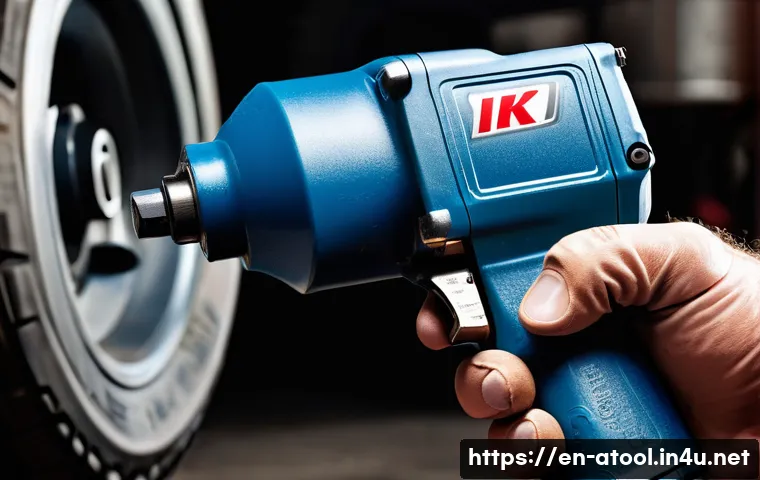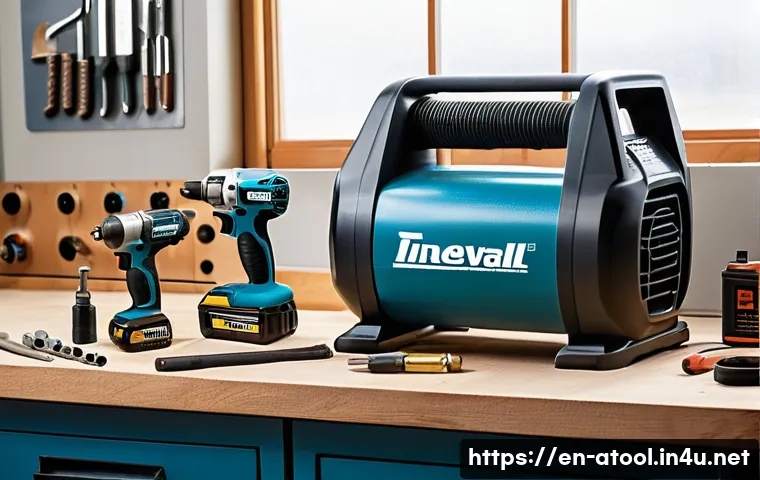
Hey everyone! You know how much I love finding ways to make our work lives easier, more efficient, and honestly, just a lot more fun, right? Today, we’re diving headfirst into something that’s truly the backbone of so many industries and workshops: industrial air tools.
I mean, who *doesn’t* get a little thrill from a tool that harnesses raw power to get the job done in record time? I’ve spent countless hours in workshops, watching these incredible machines transform tough tasks into smooth operations, and believe me, the right air tool can feel like magic in your hands.
Think about it – from the lightning-fast impact wrenches in an auto shop to the precision grinders shaping metal in a factory, these pneumatic powerhouses are absolutely essential.
They’re not just about brute force anymore; the latest trends are all about smart technology, making them safer, more energy-efficient, and incredibly user-friendly.
We’re talking about innovations that monitor their own performance and even adapt to different tasks, reducing strain on us, the operators. It’s truly a game-changer for productivity and safety in demanding environments.
Whether you’re a seasoned pro or looking to upgrade your setup, understanding these tools, their incredible advantages, and even how to sidestep common issues is paramount.
I’ve personally seen how a well-chosen air tool can cut down project times, improve the quality of work, and frankly, make those long shifts a lot less exhausting.
With advancements focusing on lightweight designs and noise reduction, the future of these tools promises even greater comfort and effectiveness. We’re on the cusp of some truly exciting developments, where power meets unparalleled precision and smart features make our lives genuinely simpler.
So, if you’re ready to unlock the full potential of your workspace, boost your efficiency, and invest in tools that truly perform, then you’ve come to the right place.
Let’s get into the nitty-gritty and discover everything you need to know about industrial air tools.
Unveiling the Unmatched Power of Pneumatic Tools
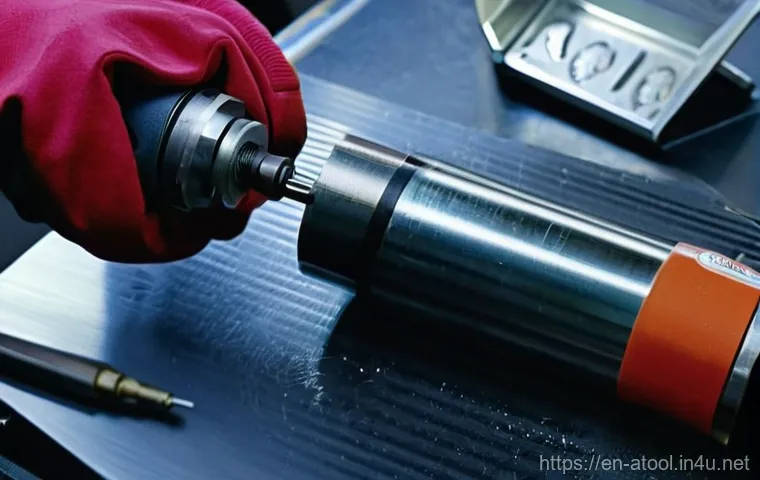
Stepping into a workshop or an industrial setting, you can almost *feel* the raw, controlled power buzzing in the air, right? That’s often the magic of pneumatic tools at play, and trust me, once you’ve experienced their efficiency, there’s no going back. I’ve personally witnessed how a seemingly impossible task can be cut down to size in minutes, simply by swapping out an electric tool for its air-powered counterpart. It’s not just about speed; it’s about a certain kind of consistent, relentless power that electric tools often struggle to match, especially under heavy load. The sheer robustness of these machines, designed to withstand the toughest environments, always impresses me. They’re built for endurance, for those long, demanding shifts where failure just isn’t an option. When you’re leaning on a tool day in and day out, you want something that feels like an extension of your own capability, something that you know will perform without a hitch. And that, my friends, is where industrial air tools truly shine.
Why Pneumatic Reigns Supreme Over Electric
Now, I know many folks start with electric tools, and they have their place, but when we’re talking industrial applications, pneumatic often wins hands down. Why? For starters, air tools are generally lighter and more compact for the power they deliver. Think about an impact wrench; an air impact wrench can be significantly more powerful than an electric one of a similar size, making tough lug nuts or stubborn bolts feel like child’s play. And let’s not forget safety – without internal electric motors, there’s less risk of sparks or overheating, which is a HUGE plus in environments where flammable materials are present. I’ve been in situations where the choice between electric and air was a critical safety call, and pneumatic always offered that peace of mind. Plus, the simplicity of their motors means fewer moving parts to break down, leading to greater reliability and less downtime, which, for anyone running a business, means real money saved.
Beyond Brute Force: Precision and Versatility
It’s easy to think of air tools as just powerful, noisy machines, but that’s only scratching the surface. What truly fascinates me is their incredible precision and versatility. From delicate grinding work with a die grinder that needs absolute control to the fast, repetitive motion of an air nailer that requires perfect placement every time, these tools are surprisingly adaptable. You can fine-tune the pressure and airflow to get exactly the right touch for the job at hand. I remember working on a project that required both heavy-duty sanding and then incredibly detailed deburring, and my air tools transitioned between those tasks seamlessly. This adaptability means you often need fewer specialized tools, simplifying your inventory and saving space. It’s about having a tool that can do more than one thing exceptionally well, giving you the flexibility to tackle a wider range of projects with confidence.
The Latest Innovations Redefining Industrial Air Tools
If you haven’t looked at industrial air tools lately, prepare to be amazed. Gone are the days of just loud, heavy, and somewhat cumbersome machines. The advancements I’ve seen recently are truly transformative, focusing on making our lives in the workshop not just easier, but healthier and more productive. Manufacturers are really listening to what operators need, and it shows in every new release. It’s like they’ve taken all our wish lists and started checking things off one by one. From making tools feel like an extension of your hand to integrating smart tech that practically thinks for itself, the industry is buzzing with exciting changes. These innovations aren’t just fancy add-ons; they’re fundamentally changing how we work, reducing fatigue, improving safety, and ultimately, boosting the bottom line. It’s an exciting time to be using these tools, and frankly, if you’re still relying on older models, you’re missing out on a whole new level of performance and comfort.
Ergonomics and Noise Reduction: A Game-Changer
One of the biggest complaints about older air tools was always the noise and vibration. Believe me, after a long day with a noisy impact wrench, your ears would be ringing and your hands would feel like jelly. But thankfully, engineers have really stepped up their game here. Modern air tools are designed with advanced ergonomics that significantly reduce hand fatigue and vibration. I’ve picked up new models that just *feel* better in your hand – lighter, better balanced, and with grips that genuinely absorb shock. And the noise reduction? It’s phenomenal! Many new tools feature advanced muffling systems that bring decibel levels down to a much more manageable and safer range. This isn’t just about comfort; it’s about long-term health, preventing hearing damage and repetitive strain injuries. It allows you to work longer, more comfortably, and with greater focus, which translates directly into better quality work and fewer breaks.
Smart Features and Predictive Maintenance
This is where things get really futuristic, and honestly, incredibly exciting. We’re seeing more and more industrial air tools coming equipped with smart features. Imagine a tool that can monitor its own performance, track usage cycles, and even alert you when it’s time for maintenance or if there’s a potential issue brewing. Some advanced systems can even collect data on fastening torque, speed, and pressure, feeding it back to a central system for quality control and process optimization. This isn’t just about preventing breakdowns; it’s about maximizing uptime and ensuring consistent, high-quality output. I’ve talked to engineers who are using this data to fine-tune their entire production lines, achieving levels of precision and efficiency that were unthinkable just a few years ago. It’s like having a personal assistant inside your tool, constantly looking out for its health and helping you work smarter, not just harder.
Eco-Friendly and Energy-Efficient Designs
In today’s world, efficiency isn’t just about getting the job done fast; it’s also about doing it sustainably. And I’m thrilled to see industrial air tool manufacturers embracing this. New designs are focusing heavily on energy efficiency, optimizing airflow and reducing air consumption without sacrificing power. This means your air compressor works less, uses less electricity, and ultimately saves you money on utility bills – a win-win for both your wallet and the planet. Many tools are also being built with more durable, recyclable materials, and processes are becoming cleaner. It’s a conscious effort to minimize the environmental footprint of manufacturing and operation. As someone who cares deeply about both productivity and responsibility, seeing these eco-friendly innovations makes me incredibly optimistic about the future of industrial tooling.
Picking the Perfect Partner: A Guide to Choosing Your Air Tools
Choosing the right industrial air tool isn’t just about grabbing the first shiny thing you see. It’s a strategic decision that can make or break your productivity, efficiency, and even your budget. I’ve learned this the hard way over the years, sometimes investing in a tool that didn’t quite fit the bill, and then regretting it later. That’s why I always tell people to think of it like choosing a partner for a critical mission – you want someone (or something) reliable, capable, and perfectly suited to the challenges ahead. It’s not just about the tool itself, but how it integrates into your existing setup and workflow. Taking the time to properly assess your needs and understand the nuances of different tools will pay dividends in the long run. Trust me, a little research now saves a lot of headaches later!
Assessing Your Needs: Power, Pressure, and Portability
Before you even start browsing, sit down and genuinely assess what you need. What kinds of tasks will this tool perform? How often will you use it? What level of power is truly required? For instance, a heavy-duty impact wrench for truck maintenance will have very different requirements than a precision sander for woodworking. You also need to consider your air compressor’s capacity. Does it provide enough CFM (cubic feet per minute) and PSI (pounds per square inch) to adequately power the tool you’re looking at? Don’t fall into the trap of buying a powerful tool only to find your compressor can’t keep up. Portability is another often-overlooked factor. Will you be moving the tool around a large facility, or will it mostly stay put? Lighter, more compact tools are fantastic for mobile work, but might sacrifice some raw power. It’s a balancing act, and understanding your specific environment is key.
Understanding Different Tool Types and Their Applications
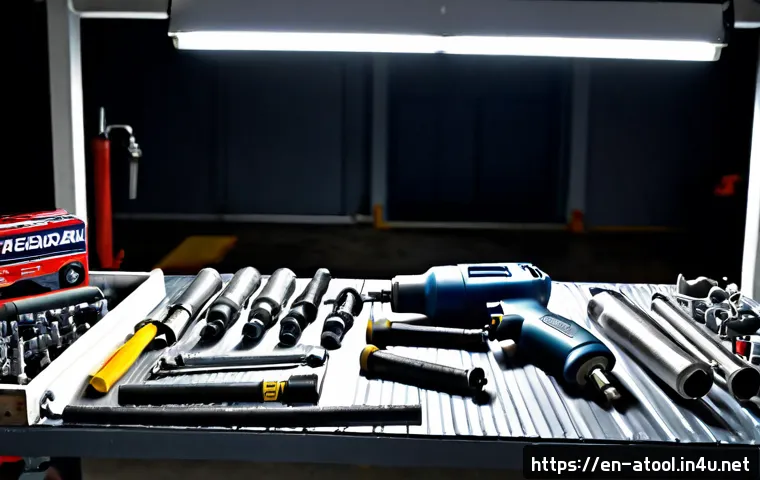
The world of industrial air tools is incredibly diverse, and knowing the main players and their strengths is crucial. You’ve got everything from impact wrenches that deliver massive torque for fastening, to air grinders perfect for deburring and shaping metal, to air drills that power through materials quickly and efficiently. Then there are specialized tools like pneumatic riveters, air hammers, and various types of sanders and polishers. Each one has a specific design and purpose, optimized for certain tasks. Don’t try to make a universal tool do everything; you’ll only get mediocre results and shorten the tool’s lifespan. I often see people trying to force an air ratchet into an impact wrench’s job, and it rarely ends well. A little knowledge about each tool type can save you time, frustration, and money. Below is a quick overview of some popular industrial air tools:
| Tool Type | Primary Use | Key Benefit | Common Application |
|---|---|---|---|
| Impact Wrench | Fastening/loosening nuts & bolts | High torque, rapid operation | Automotive repair, heavy equipment assembly |
| Air Grinder | Grinding, deburring, polishing | High RPM, precision control | Metal fabrication, welding shops |
| Air Drill | Drilling holes in various materials | Consistent power, spark-free operation | Construction, manufacturing, aircraft assembly |
| Air Sander | Sanding, finishing surfaces | Efficient material removal, smooth finish | Woodworking, automotive bodywork, composites |
| Air Hammer | Chipping, cutting, piercing | Powerful impact force | Demolition, chisel work, muffler removal |
Brand Reputation and After-Sales Support
This is a big one that many overlook: brand reputation isn’t just about bragging rights; it’s about trust and reliability. Investing in a well-known, reputable brand usually means you’re getting a tool built with higher-quality components, better engineering, and more rigorous testing. I’ve always found that paying a little extra upfront for a trusted brand saves a lot of headaches and replacement costs down the line. But it goes beyond just the initial purchase. What about after-sales support? Does the manufacturer offer a good warranty? Are spare parts readily available? Is there a network of service centers if something goes wrong? These are critical questions. A fantastic tool is only fantastic if you can keep it running. Knowing that you have access to expert support and parts can literally be the difference between a minor repair and a complete tool replacement. Don’t underestimate the value of solid customer service and accessible parts for your investment.
Keeping Your Air Tools Running Smoothly: Maintenance Made Easy
Okay, so you’ve invested in some fantastic industrial air tools – bravo! But here’s the kicker: they’re only as good as the care you put into them. I’ve seen countless tools, even top-of-the-line models, wear out prematurely or perform poorly simply because they weren’t properly maintained. It’s a common oversight, especially when you’re busy, but neglecting maintenance is like pouring money down the drain. Think of it this way: your tools are your partners in productivity, and just like any good partner, they need a little looking after to stay at their best. Good maintenance habits don’t just extend the life of your tools; they ensure consistent performance, reduce the risk of breakdowns, and keep your workspace safer. And honestly, a well-maintained tool just *feels* better to use. It’s a small investment of time that pays off huge dividends in reliability and longevity.
The Lifeline of Lubrication: Why It Matters
If there’s one thing I could scream from the rooftops about air tool maintenance, it’s this: LUBRICATION IS KING! Air tools rely on internal moving parts that generate friction, and without proper lubrication, wear and tear accelerate dramatically. It’s like running a car engine without oil – disastrous. For most air tools, a few drops of pneumatic tool oil into the air inlet before and after each use (or at least daily for continuous use) can make a world of difference. This oil atomizes with the incoming air, coating the internal components and preventing rust and friction. I’ve personally brought tools back from the brink of seizing up just by establishing a consistent lubrication routine. It smooths out their operation, keeps them running at peak efficiency, and drastically extends their lifespan. Don’t cheap out on the oil either; use high-quality, non-detergent pneumatic tool oil specifically designed for air tools. It’s a small cost for a massive return.
Filter-Regulator-Lubricator (FRL) Units: Your System’s Best Friend
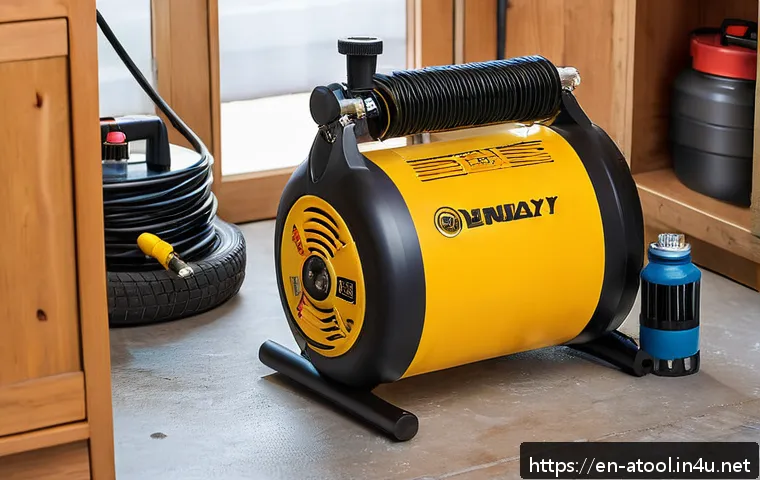
Beyond individual tool lubrication, the health of your entire air system plays a massive role. This is where a good FRL (Filter-Regulator-Lubricator) unit comes in, and honestly, if you don’t have one, get one! An FRL unit is typically installed close to your air compressor or at the point of use. The ‘Filter’ removes moisture, rust, and debris from the compressed air, preventing these contaminants from entering your tools and causing internal damage. The ‘Regulator’ allows you to precisely control the air pressure delivered to your tools, ensuring they operate at their optimal pressure without being over-stressed. And the ‘Lubricator’ introduces a fine mist of oil into the air stream, providing continuous lubrication to your tools as they operate. I can’t stress enough how much an FRL unit simplifies maintenance and safeguards your investment. It’s a foundational component for any serious industrial air tool setup, making sure every tool gets clean, regulated, and lubricated air consistently.
Regular Inspections and Preventative Care
Beyond daily lubrication and FRL units, a routine of regular inspections and preventative care is absolutely essential. This means taking a few moments before and after use to check hoses for kinks, cracks, or leaks, inspecting couplers and fittings for wear, and ensuring all connections are secure. A small air leak can significantly reduce your tool’s power and make your compressor work harder, wasting energy. Listen to your tools as you use them – any unusual noises, vibrations, or drops in performance could indicate an issue that needs attention. Clean your tools regularly, wiping away dust, grime, and debris that can accumulate in vents and moving parts. For tools with exhaust ports, ensure they’re clear. Periodically, you might need to disassemble certain parts for a deeper cleaning or to replace worn O-rings or seals. Being proactive with these small checks can catch minor issues before they turn into costly repairs or, worse, safety hazards. It’s all about being observant and taking consistent, small steps to keep everything in top shape.
Safety First: Essential Practices for Working with Air Tools

Alright, let’s talk safety. We’ve discussed how powerful and efficient industrial air tools are, but with great power comes great responsibility, right? I’ve seen firsthand what happens when safety protocols are overlooked, even for a moment, and it’s never pretty. While these tools are incredibly beneficial, they also demand respect and adherence to strict safety practices. It’s not about being overly cautious; it’s about being smart, prepared, and ensuring everyone goes home safe and sound at the end of the day. Trust me, no deadline is worth compromising your safety or the safety of those around you. Establishing a strong safety culture in your workspace, whether it’s a bustling factory floor or your home garage, is absolutely non-negotiable when working with air tools. Let’s make sure we’re all playing it safe.
Personal Protective Equipment (PPE): Non-Negotiable
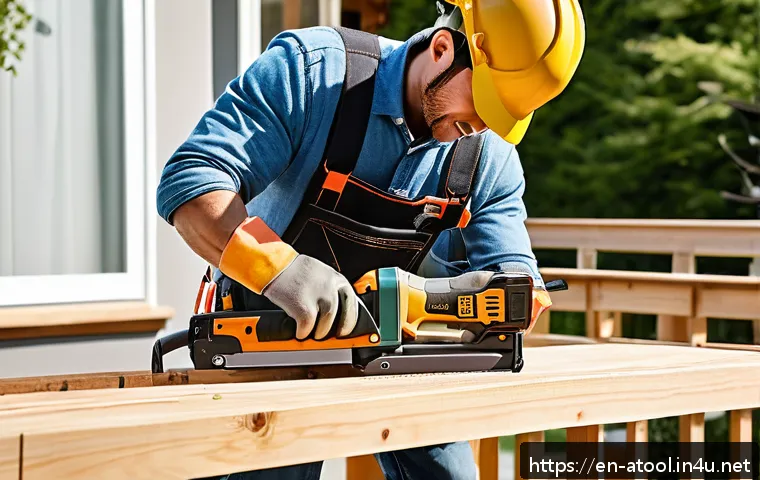
First things first: PPE is your best friend when using air tools. I can’t emphasize this enough. You should *always* wear appropriate eye protection – safety glasses or goggles are a must to shield your eyes from flying debris, which these tools are notorious for creating. Hearing protection, like earplugs or earmuffs, is also crucial. As we discussed, even modern tools can be loud, and prolonged exposure to high decibel levels will cause permanent hearing damage. Trust me, I’ve had friends who regret not wearing theirs earlier in their careers. Gloves are also highly recommended to protect your hands from cuts, abrasions, and vibrations. And depending on the task, a dust mask or respirator might be necessary, especially when sanding or grinding materials that produce fine particles. Never, ever skip your PPE. It’s a small effort that offers immense protection, and frankly, it’s just common sense.
Compressor Safety and Air Hose Management
The air tool itself is just one part of the equation; your air compressor and hoses are equally critical from a safety standpoint. Always ensure your air compressor is well-maintained, with its pressure relief valve functioning correctly and no signs of leaks. Over-pressurized compressors are extremely dangerous. When it comes to air hoses, treat them with respect. Inspect them regularly for cuts, bulges, or frayed areas. A burst hose under high pressure can whip around violently, causing serious injury. Always use hoses rated for the pressure of your system and ensure all fittings are secure and compatible. Never leave hoses lying around where they can be trip hazards. I’ve seen enough people trip over hoses to know that proper routing and coiling when not in use is vital. And when disconnecting tools, always shut off the air supply and bleed the pressure from the line first. These seem like small steps, but they prevent big accidents.
Understanding Tool-Specific Hazards
While general safety rules apply to all air tools, it’s also important to understand the specific hazards associated with each type of tool you’re using. For example, an air grinder generates a lot of sparks and can throw off abrasive particles, requiring extra vigilance with fire prevention and eye/face protection. An impact wrench can have significant torque reaction, meaning it can twist in your hands if you’re not prepared, potentially causing sprains or fractures. Air nailers and staplers are incredibly powerful and can cause serious puncture wounds if mishandled; always keep your free hand clear of the firing area and never point them at anyone. Take the time to read the manufacturer’s safety manual for each tool. It sounds basic, but those manuals contain critical, tool-specific information that can prevent accidents. Being aware of the unique risks of each tool empowers you to use them more safely and effectively.
Smart Investments: Maximizing Your Air Tool ROI
When you’re running a workshop or managing an industrial operation, every penny counts, right? And investing in industrial air tools is a significant decision. But here’s something I’ve learned over the years: it’s not just an expense; it’s an *investment* that, when done wisely, can deliver incredible returns. We’re talking about more than just getting the job done; it’s about optimizing your entire workflow, improving output quality, and fostering a safer, more efficient environment. I’ve personally seen how a strategic upgrade to a better air tool system can transform a bottleneck into a smooth-running operation, ultimately contributing directly to the bottom line. It’s about looking beyond the immediate cost and understanding the long-term value these tools bring to your business. Let’s dive into how you can truly maximize that return on investment.
The Long-Term Savings of Quality Tools
It’s tempting to go for the cheapest option, especially when budgets are tight, but when it comes to industrial air tools, that’s often a false economy. I’ve made that mistake before, and it almost always costs more in the long run. High-quality tools from reputable brands might have a higher upfront cost, but they are built to last. They’re made with better materials, precision engineering, and undergo more rigorous quality control. This means fewer breakdowns, less frequent replacements, and significantly reduced maintenance costs over their lifespan. Think about the cumulative cost of constantly repairing or replacing cheaper tools, plus the lost productivity during downtime. When you invest in quality, you’re investing in reliability and durability, which translate into substantial savings over years of heavy use. It’s not just about the tool, it’s about the uninterrupted workflow and consistent performance that quality guarantees.
Boosted Productivity and Reduced Downtime
This is where the real magic happens for your ROI. Efficient, reliable air tools directly translate into boosted productivity. Tasks that once took considerable time and effort with manual or underpowered tools can be completed much faster and with greater ease. This means your team can accomplish more in a given day, increasing overall output. And when your tools are reliable and well-maintained, you significantly reduce unplanned downtime. Every minute a machine is down is a minute of lost production, lost revenue, and potentially frustrated customers. By investing in tools that perform consistently and are less prone to breaking down, you ensure your operations run smoothly, without those costly interruptions. I’ve seen how even a slight improvement in efficiency across multiple workstations can add up to huge gains in overall productivity, easily justifying the investment in better equipment.
Training and Skill Development
Finally, don’t forget that your tools are only as effective as the people using them. Investing in proper training and skill development for your team is an integral part of maximizing your air tool ROI. When operators are well-versed in the correct and most efficient ways to use each tool, they work faster, produce higher quality results, and are less likely to cause damage to the tool or themselves. This includes training on proper setup, operation techniques, routine maintenance, and, of course, all safety protocols. I’ve noticed a dramatic difference in both productivity and tool longevity when a team is properly trained versus when they’re left to figure things out on their own. It’s about empowering your workforce to get the most out of your equipment, fostering a sense of professionalism, and ultimately creating a more skilled and efficient team. Your tools and your people are your greatest assets – invest in both!
Common Challenges and How to Troubleshoot Them
Even with the best tools and diligent maintenance, things can sometimes go sideways. It’s just the reality of working with powerful machinery. I’ve certainly had my fair share of head-scratching moments in the workshop, trying to figure out why a tool isn’t performing as it should. The key isn’t to panic, but to approach these challenges systematically. Most common issues with industrial air tools have fairly straightforward solutions, provided you know what to look for. Think of it as detective work! By understanding the usual suspects behind performance problems, you can quickly diagnose and resolve them, minimizing downtime and getting back to work. Don’t let a minor hiccup turn into a major frustration. Let’s look at some of the most common issues you might encounter and my go-to troubleshooting tips to get you back on track.
Dealing with Air Leaks and Pressure Drops
This is probably the most frequent culprit behind underperforming air tools: air leaks. They’re insidious because sometimes you can’t even hear them, but they can dramatically reduce the effective pressure reaching your tool, making it feel weak and sluggish. I always start by checking all connections: hoses to couplers, couplers to tools, and even the compressor fittings. Listen carefully for hissing sounds, or better yet, use a soapy water solution to spray on connections – bubbles will appear where there’s a leak. Even a tiny leak can impact performance. Another factor is inadequate hose diameter; if your hose is too long or too narrow for the tool’s CFM requirements, you’ll experience a significant pressure drop. Always use hoses with an adequate inner diameter to ensure sufficient airflow. Lastly, check your FRL unit; a clogged filter can restrict airflow, and a faulty regulator might not be delivering the expected pressure. Don’t underestimate the power of a proper air supply!
Overheating and Premature Wear
Nobody wants their tools to overheat or wear out faster than they should. If your tool feels excessively hot to the touch or you notice components showing signs of rapid wear, there are a few things to investigate. Often, the main cause is insufficient or incorrect lubrication. Are you using the right pneumatic tool oil, and are you applying it regularly as recommended? Lack of internal lubrication leads to increased friction, which generates heat and accelerates wear. Another common issue is over-pressurization or exceeding the tool’s duty cycle. Running a tool at pressures higher than its rated capacity or using it continuously for longer periods than it’s designed for will invariably lead to overheating and premature failure. Always operate within the manufacturer’s specifications. Sometimes, internal debris from a dirty air supply can also cause friction and wear; this goes back to the importance of a good air filter in your FRL unit. A tool that’s well-lubricated and operated within its limits will typically run cool and last much longer.
Noise and Vibration Management
While modern tools have improved, some degree of noise and vibration is inherent to air tool operation. However, if you notice a significant increase in either, it’s a red flag. Excessive vibration can be a sign of internal component wear, like worn bearings or imbalances within the tool. If it’s an impact tool, worn anvils or hammers can cause increased vibration and noise. Loud, unusual noises often indicate internal damage, such as loose components, broken parts, or inadequate lubrication allowing metal-on-metal grinding. It’s important to address these issues quickly, as continued use can lead to catastrophic failure. First, check your lubrication. Then, ensure the tool is properly assembled and that no external components (like sockets) are loose. If the problem persists, it’s usually time for a professional inspection or disassembly to identify and replace worn internal parts. Don’t just live with excessive noise and vibration; it’s telling you something needs attention, and ignoring it will only lead to bigger problems down the line.
Wrapping Things Up
Whew! We’ve covered a lot of ground today, haven’t we? It’s truly amazing how much industrial air tools have evolved, transforming our workspaces and pushing the boundaries of what’s possible. From their sheer brute force to their incredible precision and the latest smart tech, these aren’t just tools; they’re indispensable partners in productivity. I’ve personally seen the difference a well-chosen, meticulously maintained air tool makes, not just in getting the job done, but in making it safer, faster, and more enjoyable. It’s about empowering yourself and your team with equipment that doesn’t just meet expectations, but consistently exceeds them. Remember, making a smart investment in quality, understanding their nuances, and committing to proper care isn’t just about the tools themselves – it’s about investing in the future success and efficiency of your entire operation. Keep learning, keep optimizing, and let those air tools hum!
Handy Tips You’ll Wish You Knew Sooner
Here are some nuggets of wisdom I’ve picked up over my years working with industrial air tools that I believe every enthusiast and professional should keep in their back pocket:
1. Don’t Skimp on Air Line Accessories. You’ve invested in fantastic tools and a good compressor, but often people overlook the importance of quality air hoses, quick couplers, and manifold systems. A cheap, undersized hose can choke even the most powerful tool, robbing it of critical CFM and PSI. Invest in high-flow couplers and appropriately sized hoses – it makes a world of difference in power delivery and overall efficiency, preventing frustrating pressure drops and maximizing your tool’s true potential. It’s like having a sports car but trying to fuel it through a tiny straw; the bottleneck isn’t the engine, it’s the delivery system. A robust air line ensures consistent performance and extends the life of your compressor by making it work less hard.
2. Regularly Check for Condensation in Your Air Tank. This is a big one that’s often forgotten! Compressed air generates moisture, and this water collects at the bottom of your compressor’s tank. If left unchecked, it can lead to rust inside the tank, weakening its structural integrity, and worse, it can get into your air lines and tools, causing rust and damage to their internal components. Make it a habit to drain your air tank daily or after each significant use. Most compressors have a drain valve at the bottom – open it up, let the moisture out, and you’ll prevent a world of headaches down the road. It’s a simple, quick step that massively contributes to the longevity of your entire pneumatic system.
3. The Right Air Pressure Isn’t Always Maximum Pressure. It’s a common misconception that more pressure always equals better performance. Not true! Running your tools at pressures higher than their recommended operating range can actually damage them, reduce their lifespan, and even lead to less effective work. Over-pressurization can cause components to wear out faster, seals to fail, and can even make tools harder to control, increasing safety risks. Always consult your tool’s manual for its optimal operating pressure, and use your FRL unit’s regulator to set it precisely. Operating within spec ensures peak performance, extends tool life, and keeps you safer. It’s about smart, controlled power, not just brute force.
4. Embrace Quick-Connect Fittings, But Choose Wisely. Quick-connect fittings are incredibly convenient for swapping tools, and I wouldn’t work without them. However, there are different types (e.g., Industrial, Automotive, ARO, etc.), and they aren’t always cross-compatible, even if they look similar. Mixing types can lead to poor seals, air leaks, and reduced airflow. Standardize your quick-connect system across your entire workshop to ensure seamless interchangeability and optimal performance. Stick with high-quality, durable fittings – the cheaper plastic ones might save you a few bucks initially but are prone to cracking and leaking, causing more frustration and expense in the long run. Good fittings are an investment in efficiency.
5. Don’t Store Tools with Air Connected. When you’re done with an air tool for the day, or even if you’re just taking a prolonged break, disconnect it from the air supply and store it properly. Leaving tools connected can keep them under residual pressure, which can prematurely wear out seals and internal components. Furthermore, it creates an unnecessary safety hazard in the workshop. Always depressurize the line and store your tools in a clean, dry place. For tools that you use frequently, a dedicated storage rack keeps them organized and easily accessible. A little discipline in storage goes a long way in maintaining your tools and ensuring they’re ready for action when you next need them.
Key Takeaways for Air Tool Enthusiasts
To recap our journey into the world of industrial air tools, remember these crucial points to ensure you get the absolute best out of your equipment and investment. First and foremost, invest in quality tools from reputable brands; the initial cost might be higher, but the long-term reliability, durability, and reduced downtime will save you immense amounts of time and money. Secondly, prioritize consistent maintenance, especially daily lubrication and the strategic use of FRL units – these are the lifeblood of your pneumatic system and directly impact tool longevity and performance. Thirdly, safety is paramount; always wear your PPE, understand compressor and hose management, and be aware of tool-specific hazards to protect yourself and your team. Finally, smart decision-making in tool selection based on your specific needs, coupled with proper user training, will significantly boost your productivity and ensure a robust return on your investment. By embracing these principles, you’re not just buying tools; you’re building a more efficient, safer, and highly productive workspace. Stay sharp, work smart, and let your air tools do the heavy lifting!
Frequently Asked Questions (FAQ) 📖
Q: Why should I even consider industrial air tools over traditional electric ones for my workshop or business?
A: Oh, this is a fantastic question, and one I get all the time! I totally understand why you might be wondering, especially with so many great electric options out there.
But trust me, once you’ve truly experienced the power and longevity of industrial air tools, there’s often no looking back. What I’ve seen firsthand in countless workshops, from bustling auto repair shops to precision manufacturing floors, is that air tools simply offer an unparalleled power-to-weight ratio.
They pack a serious punch without being overly heavy, which means less fatigue for you during those long projects. Think about it – an air impact wrench can often deliver far more torque than an electric equivalent of a similar size.
Beyond raw power, durability is a huge factor. Since they don’t have motors that can burn out, or complex electronics prone to overheating, air tools are built like tanks.
They can handle the rigorous, continuous demands of an industrial setting day in and day out, shrugging off dust, dirt, and even some accidental drops that would send an electric tool to an early grave.
I mean, I’ve seen some air tools that have been running strong for decades with proper care! Plus, from a safety perspective, not having electrical components means there’s less risk of electric shock or sparks, which is a major bonus in environments with flammable materials.
And honestly, the smooth, consistent power delivery of a pneumatic system just feels different – it feels like you’re truly harnessing raw, reliable energy to get the job done right, every single time.
It’s an investment that pays off big time in productivity and peace of mind.
Q: What are the most exciting new trends and innovations happening in the world of industrial air tools right now? I want to stay ahead of the curve!
A: You are absolutely asking the right question! It’s not just about brute force anymore; the innovation happening in industrial air tools is genuinely thrilling.
If you’re like me, always looking for that edge, then you’ll love what’s coming out. The biggest game-changer I’m seeing is the integration of smart technology.
We’re talking about tools that can monitor their own performance – things like torque output, pressure, even usage cycles – and provide real-time feedback.
This isn’t just fancy tech; it actually helps with predictive maintenance, telling you when a tool might need a check-up before it fails, saving you downtime and costly repairs.
How cool is that? Another trend that’s really making a difference for us operators is the relentless focus on ergonomics and user comfort. Manufacturers are pouring resources into lightweight designs and advanced materials, so tools feel less like heavy machinery and more like an extension of your hand.
I’ve noticed a significant improvement in noise reduction too; remember those old, ear-splitting air tools? Modern ones are much quieter, which is a huge win for hearing protection and overall comfort in the workplace.
Plus, energy efficiency is a big deal now. Newer models are designed to be much more efficient with air consumption, which means less strain on your compressor and lower energy bills – a win-win for your wallet and the environment.
It’s truly a testament to how far these tools have come, evolving from simple powerhouses to smart, operator-friendly, and cost-effective workhorses.
Q: Okay, so I’m convinced! But with so many options, how do I choose the right industrial air tool for my specific needs, and what are the crucial steps for keeping it in top shape?
A: Fantastic! Welcome to the club – you won’t regret it! Choosing the right tool can feel a bit overwhelming at first, but it’s actually pretty straightforward once you know what to look for.
My number one piece of advice? Don’t just go for the biggest or cheapest. Instead, really think about the tasks you’ll be doing most often.
Are you constantly fastening and unfastening? Then a high-torque impact wrench with excellent ergonomics is probably your best friend. Are you doing a lot of grinding or polishing?
Then a powerful, well-balanced grinder with good speed control is essential. You’ll definitely want to pay close attention to the CFM (Cubic Feet per Minute) and PSI (Pounds per Square Inch) requirements of the tool, and make sure your air compressor can consistently meet those demands.
There’s nothing more frustrating than a tool that’s starved for air! I always recommend investing in a reputable brand; sometimes paying a little more upfront saves you a lot of headaches and replacement costs down the road.
Quality components truly make a difference in performance and lifespan. Now, for keeping them in tip-top shape – this is where the “industrial” part really shines, because these tools are built to last if you treat them right.
My personal go-to ritual includes a few simple but critical steps. First, always lubricate your tools with pneumatic tool oil before and after each use, or at least at the beginning and end of each workday.
Just a few drops into the air inlet can make a world of difference for the internal mechanisms. Second, regularly drain your air compressor tank to remove condensed moisture – this prevents rust in your system and in your tools.
Third, inspect your air hoses and fittings for any leaks or damage; a small leak can significantly reduce tool performance. And finally, keep them clean!
A quick wipe-down after use prevents gunk from building up and potentially affecting performance. Seriously, a little TLC goes a long way in ensuring your air tools work flawlessly for years to come!