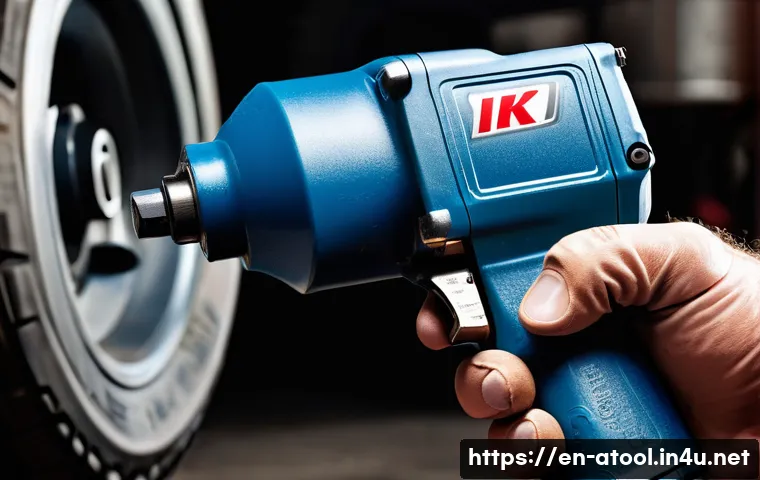
When it comes to tackling tough projects or speeding up your workshop tasks, choosing the right air tool can make all the difference. With so many brands promising durability and power, it’s easy to feel overwhelmed.
Each brand offers unique features, performance levels, and price points, making the decision even trickier. Whether you’re a professional mechanic or a DIY enthusiast, understanding these differences is key to investing wisely.
Let’s dive deep into the pros and cons of top air tool brands to help you find the perfect fit. Stick around as we break it all down for you!
Understanding Power and Performance in Air Tools
Torque and Speed: What Really Matters?
When I first started using air tools, I was baffled by the numbers thrown around—PSI, CFM, RPM, torque. Over time, I realized torque and speed are the real game-changers depending on the job.
For heavy-duty tasks like loosening stubborn bolts, torque is king. Brands like Ingersoll Rand and Snap-On often excel here, delivering impressive torque that feels like it bites through metal with ease.
Conversely, if you’re working on delicate or rapid assembly tasks, speed and control matter more. That’s where brands such as Milwaukee and DeWalt shine, offering smoother operation at higher RPMs.
My own experience juggling between these tools has taught me to pick based on the task, not just the specs.
Air Consumption and Efficiency
Another factor that often gets overlooked is the air consumption rate. A tool that guzzles air means your compressor is working overtime, which can slow down your workflow and rack up electricity bills.
I once switched from a high-torque but air-hungry model to a more balanced Milwaukee air ratchet, and it was night and day. The compressor ran quieter and cooled less frequently, which saved me time and frustration.
If you’re running a busy workshop, this balance between power and air efficiency is crucial to keep things moving without constant breaks.
Durability Under Stress
Durability isn’t just about how long a tool lasts but how well it handles abuse over time. I’ve tested brands like Chicago Pneumatic and Bauer in tough environments, and the build quality truly varies.
Some tools come with reinforced housing and sealed internals that shrug off dust and moisture, while others start showing wear after a few months of heavy use.
The key takeaway from my experience is to look for tools with metal gears instead of plastic ones and check for warranty terms. A longer warranty often signals the manufacturer’s confidence in their product’s durability.
Ergonomics and User Comfort
Grip Design and Weight Distribution
Using air tools all day can take a toll on your hands and wrists if the grip design is off. I’ve noticed that brands like Astro Pneumatic and Snap-On put a lot of thought into ergonomics.
Their tools often feature rubberized grips and balanced weight that reduce fatigue significantly. On the flip side, some budget brands have tools that feel bulky or awkward, which makes long jobs exhausting.
For me, it’s worth investing a bit more upfront for something comfortable because it directly impacts how long and how well I can work.
Noise Levels and Vibration Control
Noise is a hidden productivity killer. In my workshop, loud tools not only distract but also drain energy over time. Brands like CP and Ingersoll Rand have models designed with noise reduction in mind, using mufflers or sound-dampening materials.
Vibration control is equally important; excessive vibration can cause numbness or strain. I remember switching to an air impact wrench with better vibration isolation, and the difference was incredible—my hands felt less tired, and I could work longer without discomfort.
Trigger Sensitivity and Control
Precision often boils down to how well you can control the tool. I’ve found that trigger sensitivity varies widely across brands. Milwaukee’s air tools, for example, offer smooth, progressive triggers that allow fine speed control, which is perfect for delicate jobs.
Some other brands have more “on or off” triggers, which can lead to over-tightening or damage to parts. If you work on vehicles or electronics where precision counts, don’t underestimate this feature.
Pricing and Value: Finding the Sweet Spot
Upfront Cost vs. Long-Term Investment
When I first started buying air tools, I often went for the cheapest options to save money. But over time, I learned that a low upfront cost can lead to expensive repairs or replacements down the line.
Brands like Snap-On and Ingersoll Rand come with a higher price tag but also deliver reliability that saves money in the long run. On the flip side, if you’re a hobbyist or occasional user, a brand like Bauer or Astro Pneumatic can offer solid performance without breaking the bank.
It’s really about matching the tool’s durability and features to how often you’ll use it.
Warranty and Customer Support
The warranty can tell you a lot about a brand’s confidence in their product. I’ve had some tools from premium brands fail after a year but was amazed at how quickly and smoothly their support handled replacements.
On the other hand, budget brands sometimes offer limited or no warranty, which can leave you out of pocket. Before buying, I always check the fine print and user reviews to gauge how responsive the company is when things go wrong.
Resale Value and Brand Reputation
Interestingly, some air tools hold their value better than others. Snap-On tools, for example, often resell for a good percentage of their original price due to their reputation among professionals.
This is something I factored in when upgrading my collection because it softens the blow of investing in high-end gear. Lesser-known brands might not have the same resale appeal, which could be a consideration if you plan to trade up or sell tools later.
Accessory Ecosystem and Compatibility
Availability of Replacement Parts
A tool is only as good as its maintenance options. I’ve had frustrating experiences where a favorite air tool became useless simply because replacement parts were scarce or overpriced.
Brands like Ingersoll Rand and Milwaukee have extensive parts catalogs, making repairs easier and more affordable. When buying a tool, I always look into how easy it is to source parts like seals, o-rings, or rotors.
Compatibility with Existing Equipment
If you already have compressors, hoses, or other accessories, compatibility can save you a lot of hassle and money. I once bought an air tool from a lesser-known brand that required special fittings, which meant I had to buy adapters and new hoses.
It’s a small detail but can be a real headache. Sticking to major brands often ensures everything works together seamlessly, saving time and frustration.
Tool Kits and Bundles
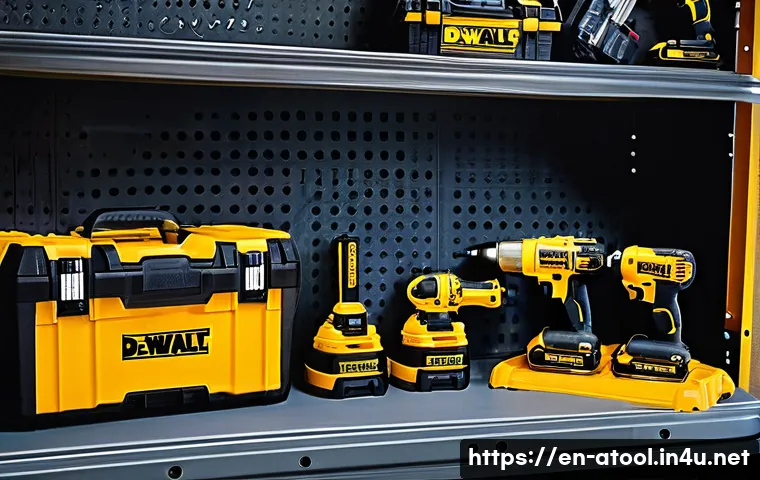
Some brands offer tool kits or combo bundles that can be a great deal, especially for newcomers. For example, DeWalt’s air tool kits come with multiple essentials that cover a wide range of tasks.
I picked up a kit like this early on, and it helped me build a balanced setup without hunting down individual pieces. Plus, bundles often come with cases or storage solutions, which keep your workspace tidy and tools protected.
Maintenance and Longevity Tips
Routine Lubrication and Cleaning
From my hands-on experience, regular maintenance is the secret sauce for air tool longevity. Most brands recommend oiling the tool daily or after every use to prevent rust and wear.
I keep a small bottle of air tool oil right next to my compressor and make it a habit to lubricate before each session. Cleaning air intakes and exhaust ports also helps avoid clogging and overheating, which prolongs the tool’s life.
Proper Storage Practices
Storing air tools properly might seem obvious, but it’s often overlooked. I’ve learned the hard way that leaving tools in damp or dusty environments can lead to premature failure.
Using cases or sealed containers, especially for tools with exposed moving parts, helps keep dirt and moisture at bay. For those with limited space, wall mounts or pegboards can be a lifesaver, making tools easy to grab and less likely to get damaged.
Identifying Early Signs of Wear
Knowing when a tool needs attention can prevent costly breakdowns. I pay close attention to changes in sound, air consumption, or performance drop-offs.
For instance, a sudden increase in noise or vibration often signals worn bearings or gears. Catching these signs early allows me to replace parts before the tool fails completely, saving me downtime and repair costs.
Comparing Popular Air Tool Brands at a Glance
| Brand | Strengths | Ideal For | Price Range | Warranty | Notable Feature |
|---|---|---|---|---|---|
| Ingersoll Rand | High torque, durable build | Professional mechanics, heavy-duty use | $$$ | 5 years | Metal gears, sealed internals |
| Snap-On | Premium quality, excellent ergonomics | Professional workshops, resale value | $$$$ | Lifetime limited | Comfort grip, smooth trigger |
| Milwaukee | Good speed control, balanced air use | DIY enthusiasts, light to medium tasks | $$$ | 3 years | Progressive trigger, vibration control |
| DeWalt | Wide accessory range, reliable | General contractors, kit buyers | $$ | 3 years | Combo kits, tool compatibility |
| Chicago Pneumatic | Robust construction, affordable | Industrial, budget-conscious pros | $$ | 2 years | Noise reduction tech |
| Bauer | Cost-effective, decent performance | Hobbyists, occasional users | $ | 1 year | Basic reliable design |
Choosing the Right Tool for Your Workflow
Matching Tool to Task Complexity
From simple tightening to complex automotive repairs, the right air tool changes everything. I’ve learned not to overbuy or underbuy—sometimes a mid-tier model with good ergonomics and moderate power fits best.
For example, if you mostly assemble furniture or do light automotive work, a Milwaukee or DeWalt tool may offer everything you need without the bulk and cost of industrial-grade models.
Considering Your Work Environment
If your workshop is dusty or humid, durability and sealed components become priorities. I once ruined a cheap air ratchet by using it in a dusty garage without proper maintenance.
In harsher environments, investing in brands known for ruggedness like Ingersoll Rand or Chicago Pneumatic pays off. Also, consider noise levels if you’re working in shared spaces or residential areas.
Balancing Budget and Performance
It’s tempting to go for the cheapest tool, but I’ve found that a reasonable budget focused on key features—like durability, air efficiency, and user comfort—makes the most sense.
Spending a little more upfront often saves money and headaches later. Conversely, if you only need a tool occasionally, a budget brand like Bauer can do the job without over-investment.
How Innovation is Shaping Air Tools Today
Integration of Digital Controls
Some newer air tools now feature digital control panels for adjusting torque or speed precisely. I had the chance to try a Milwaukee model with this feature, and it was a game changer for tasks requiring repeatability and accuracy.
This tech reduces guesswork and improves consistency, especially in professional settings.
Improved Materials and Coatings
The evolution of materials, such as composite housings and advanced coatings, has made air tools lighter and more resistant to corrosion. From personal experience, tools with these upgrades feel easier to handle and last longer in tough conditions.
I’ve also noticed less surface wear and fewer rust issues compared to older models.
Eco-Friendly and Energy-Saving Designs
As sustainability becomes a priority, some brands focus on energy-efficient air tools that consume less air and power. Using such tools not only cuts costs but also reduces environmental impact.
I switched to a few energy-saving models last year and noticed my compressor ran less frequently, which was a pleasant surprise for both my electric bill and workshop noise levels.
Wrapping Up
Choosing the right air tool is all about understanding your specific needs, from power and durability to comfort and budget. Over the years, I’ve learned that balancing these factors leads to better efficiency and less frustration in the workshop. Whether you’re a professional or a hobbyist, investing in quality tools suited to your tasks pays off in the long run. Keep exploring and upgrading your gear thoughtfully to maximize productivity and satisfaction.
Helpful Tips to Keep in Mind
1. Always match the tool’s torque and speed to the job to avoid overworking or damaging parts.
2. Pay attention to air consumption to keep your compressor running efficiently and reduce downtime.
3. Prioritize ergonomics, including grip and vibration control, to prevent fatigue during long work sessions.
4. Consider warranty and customer support as key factors when choosing brands to protect your investment.
5. Regular maintenance, like lubrication and proper storage, extends tool life and ensures consistent performance.
Key Takeaways
Understanding the balance between power, efficiency, and comfort is crucial when selecting air tools. Durable construction with quality materials and good warranty coverage can save you money and headaches. Ergonomic design and noise reduction enhance user experience, especially for prolonged use. Compatibility with your existing equipment and availability of replacement parts simplify maintenance and upgrades. Lastly, choosing the right brand and model based on your workflow and budget ensures you get the most value and reliability from your tools.
Frequently Asked Questions (FAQ) 📖
Q: What factors should I consider when choosing an air tool brand for my workshop?
A: When selecting an air tool brand, consider the tool’s durability, power output, and how well it fits your specific tasks. For instance, if you’re a professional mechanic, look for brands known for heavy-duty performance and longevity.
DIY enthusiasts might prioritize affordability and ease of use. Also, check the availability of replacement parts and customer service reputation. I’ve found that tools with ergonomic designs reduce fatigue during long projects, which is a game-changer in busy workshops.
Q: Are expensive air tool brands always better than budget options?
A: Not necessarily. While higher-priced brands often offer superior materials and advanced features, some budget-friendly tools deliver excellent performance for occasional use.
From my experience, spending more makes sense if you rely on air tools daily or for demanding jobs, as they tend to last longer and maintain power. However, for light or infrequent tasks, a well-reviewed mid-range brand can save money without compromising much on quality.
Q: How can I maintain my air tools to ensure they last longer?
A: Proper maintenance is crucial for extending your air tools’ lifespan. Regularly lubricate moving parts with air tool oil, keep the tools clean from dust and debris, and check hoses and fittings for leaks.
I’ve noticed that consistent upkeep not only prevents breakdowns but also keeps performance sharp. Storing tools in a dry place and avoiding over-tightening during use can also prevent damage.
Investing a bit of time in maintenance saves a lot of frustration and money down the road.