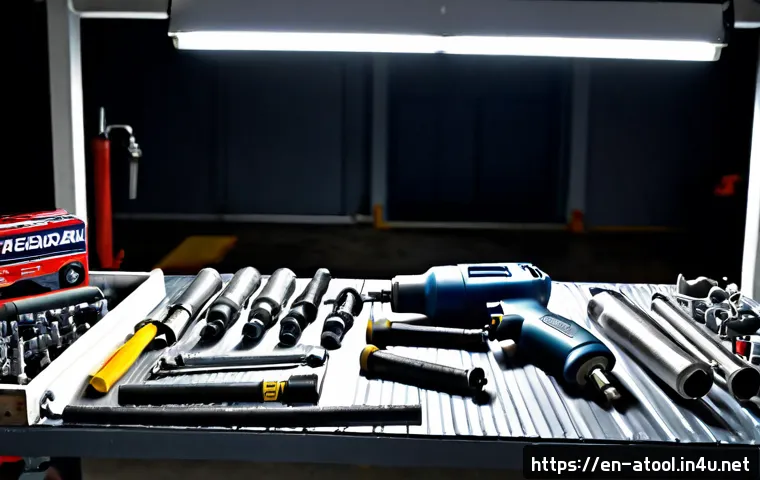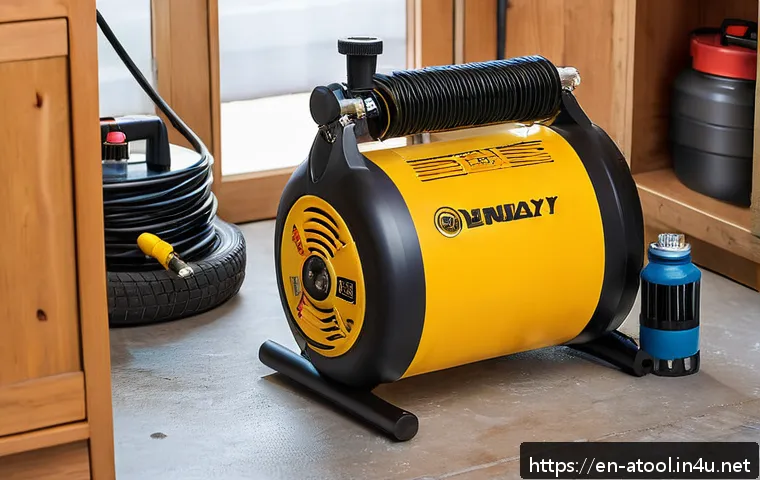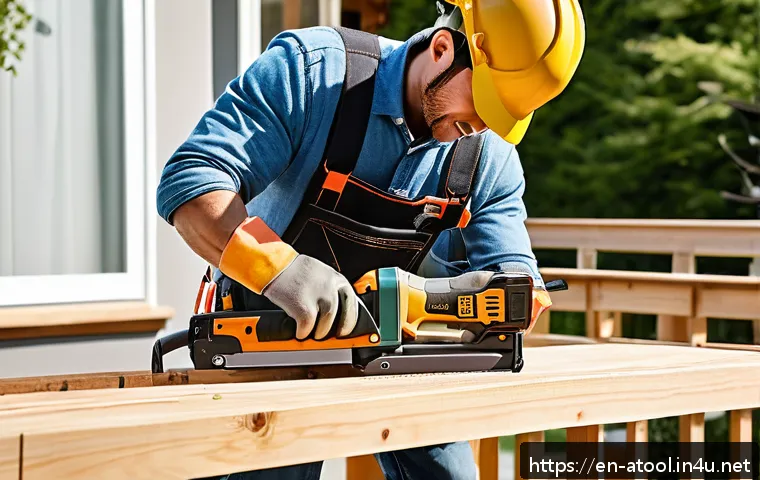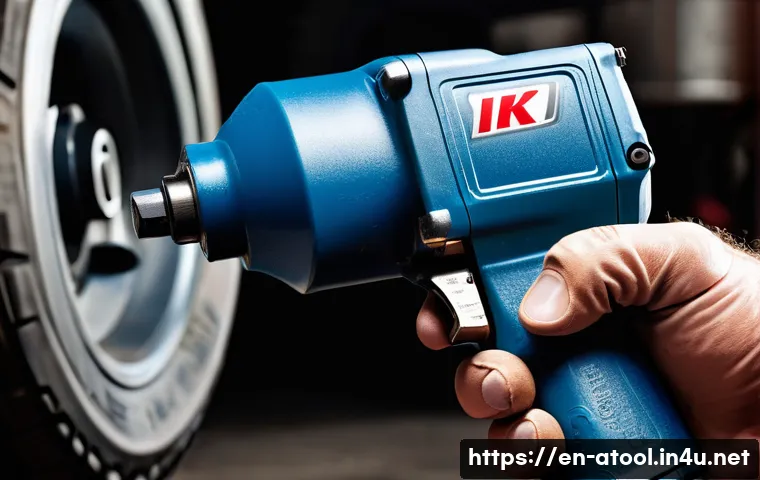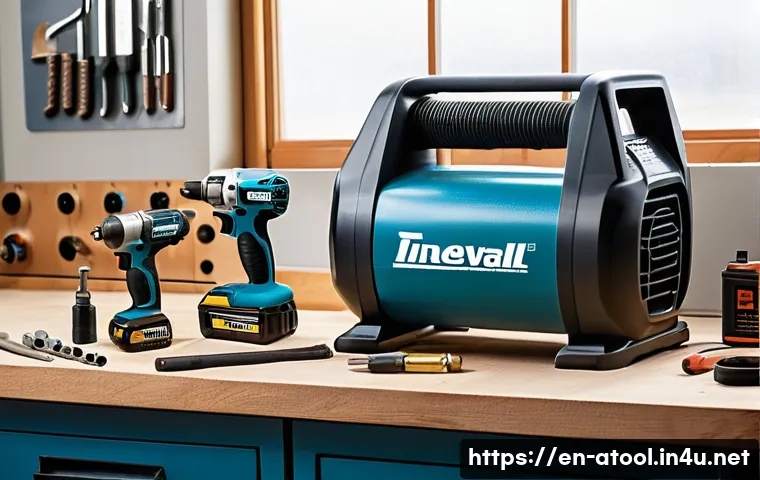
Finding the best deals on air tools can feel like a daunting task, especially with so many brands and models flooding the market. But with a little know-how, you can snag high-quality equipment without breaking the bank.
From understanding seasonal sales to leveraging online discounts and knowing which features truly matter, smart shopping can save you both money and frustration.
I’ve personally navigated this maze and found some strategies that really work. Ready to unlock these money-saving secrets? Let’s dive deeper and get you the best bang for your buck!
Timing Your Purchase for Maximum Savings
Why Seasonal Sales Matter More Than You Think
One thing I learned after hunting for air tools is that timing can seriously change the price you pay. Retailers often clear out inventory during specific times of the year—think Black Friday, end-of-summer sales, or even spring clearance events.
During these periods, even top-tier brands slash prices dramatically. For example, I once snagged a high-end pneumatic impact wrench for nearly 30% off just because I waited until the post-Christmas sales kicked in.
It’s not just about waiting for the calendar to flip; knowing these key windows helps you plan your purchase so you don’t overspend. If you’re patient and keep an eye on sales cycles, you’ll find deals that aren’t advertised every day.
Tracking Price Drops with Tools and Alerts
Technology has made this game much easier. I personally rely on price tracking apps and browser extensions that notify me when an item’s price dips. These tools monitor multiple retailers at once and save hours of manual checking.
For instance, tools like Honey or CamelCamelCamel helped me spot a sudden discount on a cordless air compressor I’d had my eye on for months. Setting up alerts means you get notified immediately when prices drop, so you don’t miss out.
Plus, these tools sometimes reveal historic pricing data, showing you if a discount is genuinely good or just a typical price fluctuation.
Understanding Market Trends and New Model Releases
Another tip is to pay attention to product cycles. When a new model of an air tool is released, older versions often go on sale. This was my strategy when buying an air nailer—waiting just a few weeks after the launch of a newer model saved me a nice chunk of change while still getting a reliable tool.
However, be cautious; sometimes new models come with must-have features that justify the price. So, it’s a balance between snagging a deal and ensuring the tool meets your needs.
Choosing Features That Actually Impact Value
Prioritizing Durability Over Extra Bells and Whistles
When I first started shopping for air tools, I got caught up in flashy features like LED lights or ergonomic grips. While these can be nice, I quickly realized that durability and performance matter way more in the long run.
A rugged, well-built tool that can withstand tough job site conditions will save you money because it won’t need replacing or repairs as often. For example, my durable air ratchet from a lesser-known brand has outlasted some pricier counterparts simply because it’s built with solid materials and smart engineering.
Evaluating PSI and CFM Ratings for Your Needs
Understanding the technical specs like PSI (pounds per square inch) and CFM (cubic feet per minute) is crucial. These numbers tell you about the tool’s power and air consumption.
If you don’t match these with your air compressor’s capacity, you’ll either waste money on overpowered tools or suffer from underperformance. I learned this the hard way when buying an air sander that demanded more air volume than my compressor could provide, resulting in frustrating downtime.
Always check the specs and make sure your compressor and tools are compatible for smooth operation.
Considering Brand Reputation and Warranty
Sometimes paying a bit more upfront is worth it if the brand backs its products with solid warranties and good customer service. I’ve had to use warranty repairs twice, and going with a reputable brand made the process painless.
It’s worth reading customer reviews and forums to understand how brands handle issues post-purchase. A longer warranty and responsive support often save you headaches and money in the long term.
Leveraging Online Marketplaces and Discount Codes
Finding Reliable Sellers on Major Platforms
Online marketplaces like Amazon, eBay, and specialized tool retailers often have hidden deals and bundles that physical stores don’t offer. I’ve found that sellers with high ratings and positive feedback usually provide genuine products at competitive prices.
However, it’s important to watch out for counterfeit or refurbished items disguised as new. Always verify seller credibility and read through buyer reviews before hitting “buy.” Sometimes you can even negotiate prices if you contact sellers directly, especially on platforms like eBay.
Stacking Coupons and Cashback Offers
Combining discount codes with cashback programs can lead to surprisingly low prices. I use apps like Rakuten or credit cards that offer cashback on tool purchases to maximize savings.
Additionally, signing up for newsletters from tool brands or retailers often gives you exclusive coupons or early access to sales. This method requires a bit of effort but can knock off a substantial amount from your final bill.
Using Price Match Guarantees Wisely
Many retailers offer price match guarantees, promising to beat competitors’ prices. I once used this to my advantage by finding a tool cheaper on a competitor’s site, then requesting a price match plus an additional discount.
It worked because some stores want to keep your business and are willing to negotiate. Always have your proof ready and be polite but firm when asking.
Evaluating Used and Refurbished Tools
Pros and Cons of Buying Pre-Owned
Buying used air tools can save you a bundle, but it comes with risks. I’ve bought refurbished tools that worked like new, but also encountered some that needed repairs shortly after.
The key is to buy from reputable sellers who provide some warranty or return policy. Local tool exchanges, Facebook Marketplace, or specialized refurbishers can be good sources.
Inspect tools carefully or ask for test videos before committing.
How to Spot Quality Refurbished Tools
Refurbished doesn’t mean junk. Certified refurbished products often go through thorough inspections and repairs, sometimes even coming with a warranty.
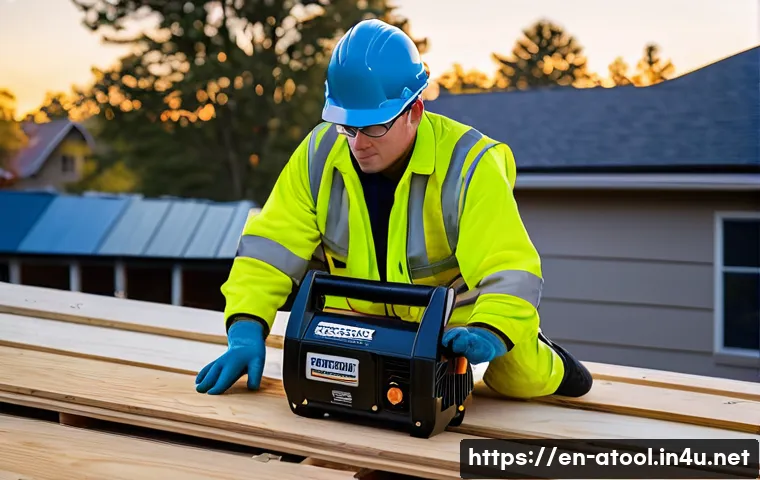
Look for official refurbishers or sellers who clearly state the refurbishment process. I once bought a refurbished air impact wrench that came with a 90-day warranty and it performed flawlessly for years.
Avoid sellers who can’t provide proof or detailed condition reports.
Negotiating Price and Warranty on Used Tools
When buying secondhand, don’t hesitate to negotiate. Many sellers expect some haggling, especially if a tool shows minor cosmetic wear. Offering to pay cash or buying multiple items at once can often get you a better deal.
Also, try to get some form of guarantee, even if it’s just a short return window, to protect your investment.
Understanding Air Compressor Compatibility
Matching Tool Air Requirements to Compressor Capacity
Air tools only perform well when paired with the right compressor. I learned that having a compressor with adequate PSI and CFM ratings is essential. If your compressor can’t keep up, your tools won’t reach their full potential, leading to frustration and slower work.
Always check the tool’s required air consumption and compare it to your compressor’s specs before purchasing.
Choosing Between Portable and Stationary Compressors
Depending on your work style, choosing the right compressor type matters. Portable compressors are great for light-duty or on-the-go jobs, while stationary compressors offer more power for heavy or continuous use.
I switched to a stationary model when my projects grew larger, and it made a noticeable difference in efficiency. Consider your typical projects and storage space before investing.
Maintaining Your Compressor for Longevity
A well-maintained compressor keeps your air tools running smoothly. Simple tasks like draining moisture from the tank, checking for leaks, and replacing air filters regularly have extended my compressor’s life significantly.
Neglecting these can lead to poor tool performance and costly repairs. Setting a maintenance schedule ensures your setup stays reliable.
Comparing Popular Air Tool Brands and Their Pricing
Balancing Cost and Quality Across Brands
There’s a huge range of air tool brands, from budget-friendly to premium. I’ve found that mid-tier brands often provide the best value, delivering durability and performance without the premium price tag.
On the other hand, some high-end brands justify their price with better warranties and build quality. It’s crucial to research and read reviews to find what fits your budget and needs.
How Brand Reputation Affects Resale Value
If you plan to upgrade tools down the line, brand reputation plays a big role in resale value. Tools from well-known manufacturers tend to hold their value better, making it easier to recoup your investment.
I sold a popular brand’s air drill for nearly half of what I paid after two years, which helped fund my next upgrade.
Summary Table of Popular Air Tool Brands and Price Ranges
| Brand | Average Price Range | Known Strengths | Warranty |
|---|---|---|---|
| Ingersoll Rand | $100 – $500 | Durability, Performance | 3-5 years |
| DeWalt | $80 – $400 | Reliability, Wide Availability | 3 years |
| Makita | $90 – $450 | Ergonomics, Innovation | 1-3 years |
| Porter-Cable | $50 – $200 | Affordability, Good Entry-Level | 1 year |
| Chicago Pneumatic | $120 – $600 | Heavy-Duty Use, Power | 2-5 years |
글을 마치며
Knowing when and how to buy air tools can save you significant money while ensuring you get quality and performance. By understanding sales cycles, evaluating features wisely, and leveraging online resources, you can make smarter purchasing decisions. Remember, patience and research are your best allies in finding the perfect tool at the right price. Whether you’re a DIY enthusiast or a professional, these tips will help you build a reliable, cost-effective toolkit.
알아두면 쓸모 있는 정보
1. Seasonal sales like Black Friday or spring clearance events often offer the deepest discounts on air tools, so plan your purchases around these times for maximum savings.
2. Using price tracking apps and setting alerts can save hours of searching and help you jump on deals the moment prices drop.
3. Matching your air tools’ PSI and CFM requirements to your compressor’s capacity is essential for optimal performance and to avoid unnecessary expenses.
4. Always check seller ratings and reviews on online marketplaces to avoid counterfeit or low-quality products, and don’t hesitate to negotiate prices or request price matches.
5. Buying certified refurbished tools can be a great way to save money if you ensure they come with warranties and have been thoroughly inspected.
중요 사항 정리
Timing your purchase during key sales events is crucial for getting the best deals, but combining this with smart use of technology like price alerts can boost your savings even more. Prioritize durability and compatibility over flashy features to ensure long-term value, and consider brand reputation and warranty support for peace of mind. Whether buying new, used, or refurbished, always verify product condition and seller reliability. Lastly, pairing the right air compressor with your tools and maintaining it properly will maximize performance and extend the life of your investment.
Frequently Asked Questions (FAQ) 📖
Q: When is the best time to buy air tools to get the greatest discounts?
A: From my experience, the best deals usually pop up during major sales events like Black Friday, Cyber Monday, and around the Fourth of July. Seasonal clearance sales, especially at the end of summer or winter, are also golden opportunities to snag quality air tools at a fraction of the price.
Retailers often want to clear out inventory before new models arrive, so keeping an eye on these timeframes can really pay off. I’ve found setting price alerts online during these periods helps me jump on deals before they disappear.
Q: How can I be sure I’m getting a high-quality air tool without overspending on unnecessary features?
A: It’s easy to get overwhelmed by all the bells and whistles some air tools come with. What I do is focus first on the tool’s core performance specs—things like PSI rating, CFM (cubic feet per minute), and durability of materials.
Features like adjustable speed or ergonomic grips are great but don’t always justify a big price jump unless you really need them for your projects. Reading verified user reviews and watching hands-on demo videos has helped me separate hype from genuine value.
Also, sticking to reputable brands known for reliability can save you from costly repairs down the road.
Q: Are online discounts and coupons reliable ways to save money on air tools?
A: Absolutely! In fact, I’ve scored some of my best deals through online coupons and promo codes found on manufacturer websites, email newsletters, or trusted deal sites.
One trick I’ve learned is to combine these coupons with free shipping offers or cashback programs, which boosts savings even more. However, be cautious of deals that seem too good to be true on unfamiliar websites—stick to well-known retailers or official brand stores to avoid scams.
Signing up for alerts and newsletters from your favorite tool brands has been a game-changer in catching exclusive online discounts early.