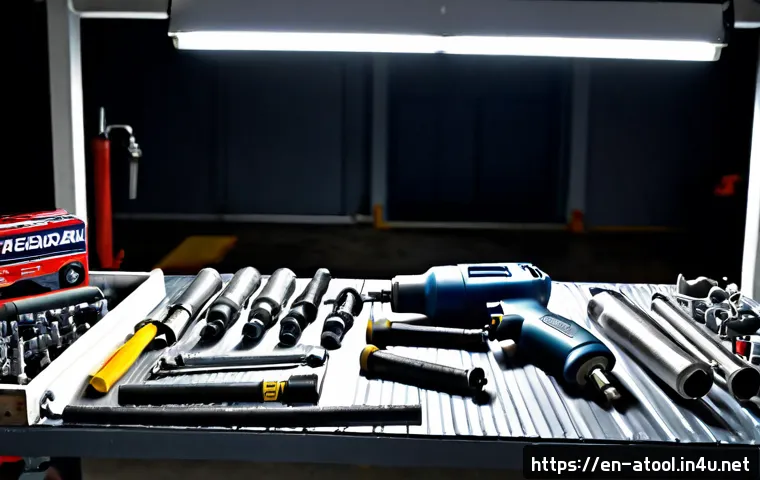
Choose automotive air tools by matching torque, air demand, hose setup, and duty cycle to the jobs you actually perform. Compare essential tools, compressor capacity, safety needs, and when a cordless alternative may offer better value.
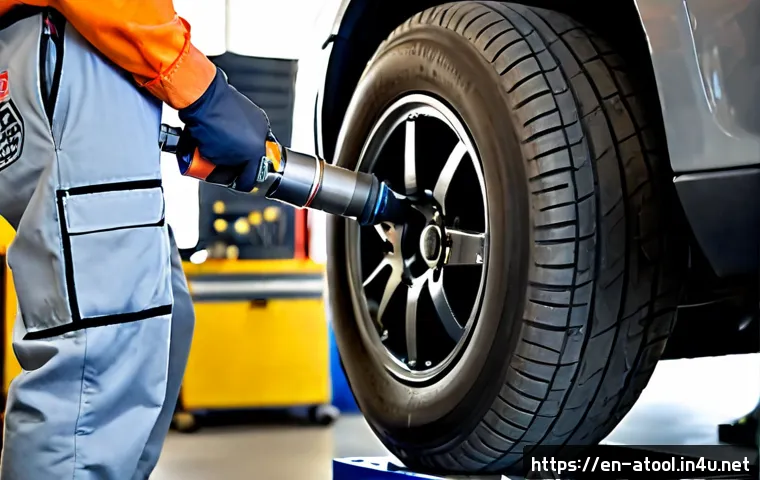
The best air tools for automotive repair depend on the jobs you do most and whether your compressor can keep up. For most home garages, start with an impact wrench, tire inflator, blow gun, impact sockets, and a compressor matched to their stated air requirements.
A larger pneumatic tool kit is not always the better purchase. Compare compressor airflow, hose setup, duty cycle, warranty coverage, and replacement-part availability before spending on grinders, cut-off tools, or shop-grade equipment.
Short-burst jobs such as removing wheel fasteners are very different from continuous work with a die grinder. Building around your real repair routine helps avoid an expensive tool-and-compressor mismatch.
For occasional work, a compact setup or a cordless impact may offer better overall value. For frequent repairs, dependable air delivery and durable fittings become more important than buying the largest tool bundle.
Always verify current manufacturer specifications, included accessories, local availability, and warranty terms before buying.
At a Glance
- Essential starter tools: An impact wrench, impact-rated sockets, tire inflator, and blow gun cover many wheel and routine garage tasks.
- Shop-grade upgrade: Add an air ratchet, die grinder, or cut-off tool only when your repair work and compressor output support them.
- Compressor requirement: Match the compressor’s stated airflow and operating pressure to the most demanding tool you expect to use.
| Tool Type | Typical Automotive Jobs | Air-Demand Level | Must-Have Accessories | Best Buyer Profile |
|---|---|---|---|---|
| Impact wrench | Lug nuts, suspension fasteners, stubborn bolts | Short-burst demand | Impact sockets, secure coupler, suitable hose | DIY owners and frequent home-garage users |
| Air ratchet | Fast removal and installation in tighter spaces | Moderate, task-dependent | Correct sockets, hose, lubrication if required | Users doing repeated disassembly work |
| Tire inflator and blow gun | Tire pressure checks, cleaning debris, routine tasks | Low to moderate | Accurate gauge, secure fittings, air treatment | Nearly every home garage |
| Die grinder or cut-off tool | Surface preparation, cutting, shaping, seized hardware | High continuous demand | Air filter, moisture control, eye and hearing protection | Frequent repair users and small shops |
The Best Starting Point: Build an Air-Tool Setup Around Your Actual Repair Jobs
Quick Answer: The Core Tools Most Vehicle Owners Use First
For basic automotive maintenance, the most practical first purchases are usually an impact wrench, a set of impact-rated sockets, a tire inflator, and a blow gun. These tools support common garage work without immediately requiring a high-demand pneumatic setup.
An impact wrench can speed up wheel removal and help with stubborn fasteners. A tire inflator supports regular pressure checks, while a blow gun is useful for clearing loose debris from work areas. The goal is not to own every air tool; it is to buy equipment that will be used often enough to justify the compressor, hose, fittings, and maintenance needs.
Why the Compressor Matters as Much as the Tool Itself
An air tool is only as useful as the air supply behind it. Pneumatic tools need a compressor that can provide adequate pressure and airflow for the tool’s stated operating requirements. Airflow is commonly listed as CFM or SCFM, while tank size mainly affects how long a tool can run before the compressor cycles.
A short impact-wrench burst and extended die-grinder use place very different demands on a compressor. Before comparing pneumatic tool kits, identify the highest-demand tool you plan to use and check its current manufacturer specifications.
A Practical Starter Setup for Basic Maintenance and Wheel Work
A sensible starter package includes a compatible compressor, hose, couplers, impact wrench, impact sockets, tire inflator, and blow gun. Add eye protection and hearing protection from the start. This approach gives you a useful garage foundation while leaving room to upgrade later.
Do not assume every compressor package includes the fittings, hose diameter, air treatment, or sockets needed for automotive work. Review the included accessories carefully, especially when comparing price-to-performance packages.
Compare Essential Pneumatic Tools for Automotive Work
Impact Wrench: Lug Nuts, Suspension Fasteners, and Stubborn Bolts
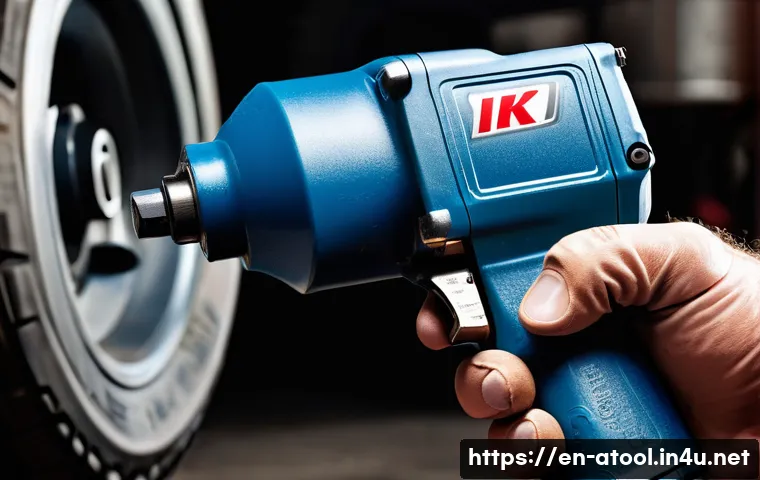
An air impact wrench is often the first pneumatic tool buyers consider because it is useful for wheel service and difficult fasteners. It can save time, but advertised torque alone should not decide the purchase. Vehicle type, fastener condition, socket fit, available airflow, and correct operating pressure all affect real-world results.
Use impact-rated sockets, not standard chrome hand-tool sockets. Impact sockets are designed for impact use, while ordinary sockets are not the right choice for this application.
Air Ratchet: Speed in Tight Engine-Bay and Interior Areas
An air ratchet is useful when you have already broken a fastener loose and need faster removal or installation in cramped areas. It can make repeated disassembly more convenient, but it is not a substitute for choosing the right hand tool or impact wrench for every fastener.
Buy an air ratchet when you routinely work in engine bays, under dashboards, or other confined areas. For occasional maintenance, it may be less important than a good impact setup and reliable tire inflator.
Tire Inflator, Blow Gun, and Accessories for Routine Garage Work
These smaller tools are easy to overlook, yet they may be used more often than a specialty pneumatic tool. A tire inflator helps with routine tire care, and a blow gun can clear dust and loose debris from a work surface.
Choose accessories with secure hose connections and verify compatibility with your couplers and fittings. Small leaks and poor connections can make an otherwise capable air compressor setup frustrating to use.
Die Grinder and Cut-Off Tool: When Higher Airflow Becomes Necessary
Die grinders and cut-off tools are valuable for cutting, shaping, and surface preparation, but they can have high continuous air demand. They are where many buyers discover that a compact compressor may not provide a satisfying working pace.
If these jobs are occasional, consider whether renting equipment or outsourcing the task makes more sense than buying a larger compressor system. If they are regular work, prioritize compressor capacity, duty cycle, air quality, and serviceability over the lowest initial tool price.
How to Choose a Compressor, Hose, and Air Treatment Setup
Understanding CFM, PSI, Tank Capacity, and Duty Cycle
CFM or SCFM indicates airflow demand and supply. PSI relates to operating pressure. Tank capacity affects how long stored air is available before the compressor cycles. Duty cycle matters when tools run repeatedly or continuously.
For buying decisions, match compressor output to the tool manufacturer’s stated requirements, then consider how long the tool will run during a normal repair session. A high-continuous-use grinder deserves more attention than a tool used in short bursts.
Selecting Hose Length, Inside Diameter, Couplers, and Fittings
A hose should reach the vehicle without forcing awkward positioning. Its inside diameter, length, couplers, and fittings can affect how conveniently air reaches the tool. Keep the setup consistent so tools, hoses, and connectors work together without unnecessary adapters.
Inspect couplers for secure engagement before use. A poorly connected hose is both inconvenient and a basic safety concern.
Moisture Control, Filters, and Lubrication Requirements
Air quality affects pneumatic tool longevity. Moisture and debris in air lines can contribute to corrosion and premature wear, so an appropriate air-treatment setup is worth considering, particularly for frequent use.
Check each tool’s current manufacturer guidance for lubrication requirements. Do not assume every pneumatic tool uses the same maintenance routine.
When a Larger Compressor Is Worth the Added Cost
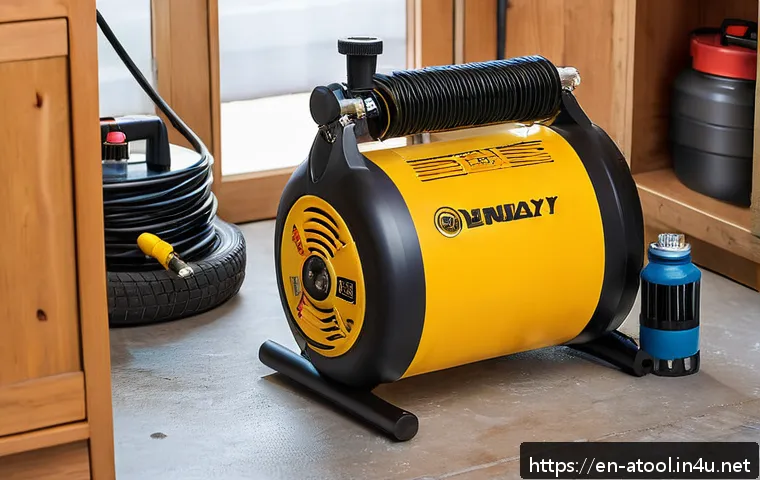
A larger compressor may be worth the added cost when you regularly run high-demand tools, perform longer repair sessions, or need less downtime between tasks. It can also make a small repair shop workflow more practical when air tools are part of daily work.
For wheel changes and light maintenance alone, buying more compressor capacity than you can use may not provide the best value. Compare the complete equipment cost, workspace requirements, power supply, and expected use frequency.
Safe Use and Common Buying Mistakes to Avoid
Use Impact-Rated Sockets and Inspect Hoses Before Each Session

Use impact sockets with an impact wrench and inspect hoses, couplers, and fittings before beginning work. Wear eye protection and hearing protection. These basic habits matter whether you are working in a home garage, driveway, or small repair shop.
Avoid Pressure Settings Above the Tool Manufacturer’s Guidance
Set operating pressure according to the tool manufacturer’s guidance. More pressure is not automatically better, and operating outside stated guidance can create unnecessary wear or unsafe conditions.
Don’t Judge Performance by Advertised Torque Alone
Torque figures do not tell the whole story. Airflow delivery, hose setup, fastener condition, socket quality, and the vehicle repair task influence performance. Compare current specifications, not just marketing claims on a tool package.
Why Undersized Compressors Create Heat, Downtime, and Poor Results
An undersized compressor may cycle frequently when paired with a high-demand air tool. That can create downtime and make the tool feel less effective during continuous work. Avoid the common mismatch of buying a grinder or cut-off tool before confirming that the compressor can support it.
Which Setup Fits Your Garage, Mobile Work, or Small Repair Shop?
Occasional DIY Maintenance: Prioritize Compact, Versatile Equipment
For occasional tire rotation, brake work, and general maintenance, prioritize a compact, versatile setup. An impact wrench, impact sockets, inflator, blow gun, and compatible compressor can cover a broad range of basic tasks without turning the garage into a full-time shop.
Frequent Home-Garage Repair: Prioritize Airflow and Durable Fittings
If you repair several vehicles or work on projects often, prioritize reliable airflow, durable fittings, moisture control, and a hose arrangement that reaches the work area easily. This is where better compressor packages and repair-shop equipment can offer meaningful convenience over entry-level options.
Small-Shop Use: Prioritize Duty Cycle, Serviceability, and Downtime Reduction
Small shops should focus on duty cycle, serviceability, replacement-part availability, and warranty coverage. A lower-priced tool can cost more over time if it causes workflow interruptions or cannot be maintained easily.
When Cordless Tools May Be the Better Value Than Compressed Air
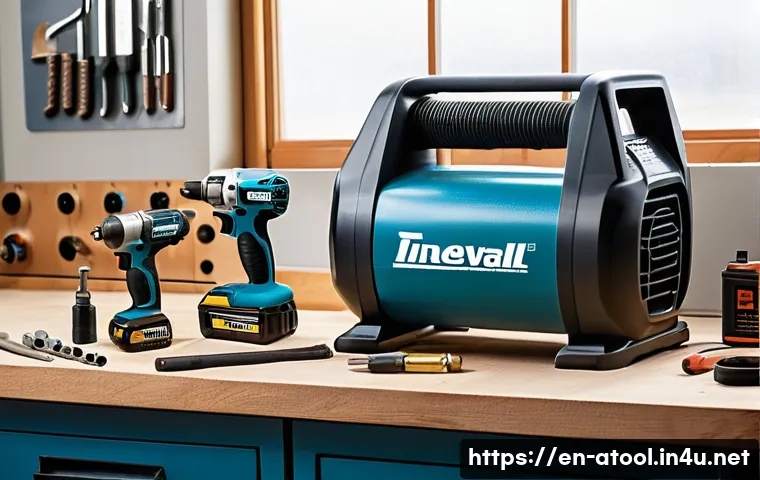
A cordless impact wrench may be the better value when mobility, limited workspace, or occasional use matters more than maintaining a full pneumatic system. It avoids the need for hoses and a compressor, although suitability still depends on the vehicle, fasteners, and tool specifications.
If you already own a capable compressor for other work, pneumatic tools may fit naturally into your garage. If you do not, compare the total cost of the complete air system against a cordless alternative rather than comparing tool-only prices.
Selection Criteria and Comparison Summary
Choose by Job Frequency, Required Airflow, Workspace, and Total Setup Cost
Start with the jobs you do most often. Then compare the tool’s stated airflow and pressure requirements with the compressor’s output, your available workspace, and the cost of hoses, fittings, air treatment, sockets, and safety equipment.
Compare Tool-Only Prices Against Complete Compressor-and-Accessory Packages
A low tool-only price can be misleading if you still need a compressor, hose, couplers, impact sockets, and moisture control. On the other hand, a large bundle is not automatically a bargain if it includes tools you will rarely use.
Final Pre-Purchase Checklist: Specifications, Warranty, Consumables, and Replacement Parts
Before buying, check these points:
- Tool requirements: Confirm current CFM/SCFM and operating-pressure guidance.
- Compressor match: Ensure the compressor supports the most demanding tool you expect to run.
- Complete setup: Include hose, fittings, couplers, impact sockets, and air treatment where needed.
- Long-term ownership: Compare warranty coverage, consumables, service options, and replacement-part availability.
- Alternative value: Consider cordless, rental, or outsourced work for rare heavy-duty tasks.
Compare current tool bundles, compressor output, warranty coverage, and replacement-part availability on the relevant product pages before buying.
Closing Thoughts
The best automotive air tools are the ones your compressor can support and your repair routine will actually use. Start with versatile equipment for wheel work and routine maintenance, then add high-demand tools only when the work justifies the larger air system. A carefully matched setup is usually more useful than an oversized kit chosen by tool count alone.
Useful Information to Know
Airflow and tank size are not the same thing: airflow supports the tool, while tank capacity mainly influences run time before cycling.
Air quality matters: moisture and debris can shorten pneumatic-tool life.
Continuous-use tools need more planning: die grinders and cut-off tools can place greater demand on a compressor than short-burst impact work.
Important Notes
Exact torque, airflow needs, noise level, durability, included accessories, warranty terms, pricing, and availability vary by model and retailer. Verify current manufacturer specifications and local product details before selecting a pneumatic tool, compressor package, or cordless alternative. Tool suitability also depends on your vehicle, fastener condition, workspace power supply, and expected frequency of use.
Frequently Asked Questions
Q1. What air tools should I buy first for automotive repair at home?
A1. Start with an impact wrench, impact-rated sockets, tire inflator, blow gun, hose, and compatible fittings if your compressor supports them. This combination handles many common wheel and basic garage tasks. Add specialty tools only when your repair work requires them.
Q2. What size air compressor is suitable for an impact wrench and basic garage tools?
A2. Choose a compressor based on the stated operating pressure and airflow requirements of the specific impact wrench and other tools you plan to use. Tank size affects how long the tool can run before cycling, but airflow capacity is especially important for tool performance.
Q3. Is an air impact wrench better value than a cordless impact wrench for vehicle maintenance?
A3. It depends on whether you already have a suitable air compressor and how often you work on vehicles. Pneumatic tools can make sense in a garage with an established air system, while cordless tools may offer better value for occasional work, mobile use, or limited workspace.