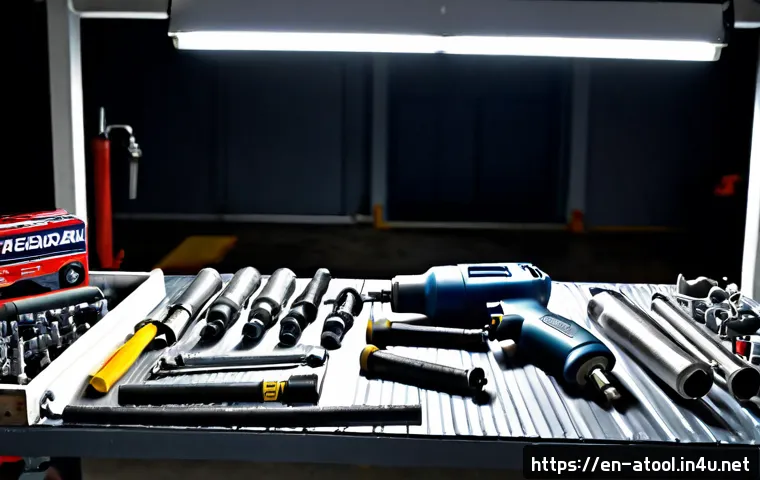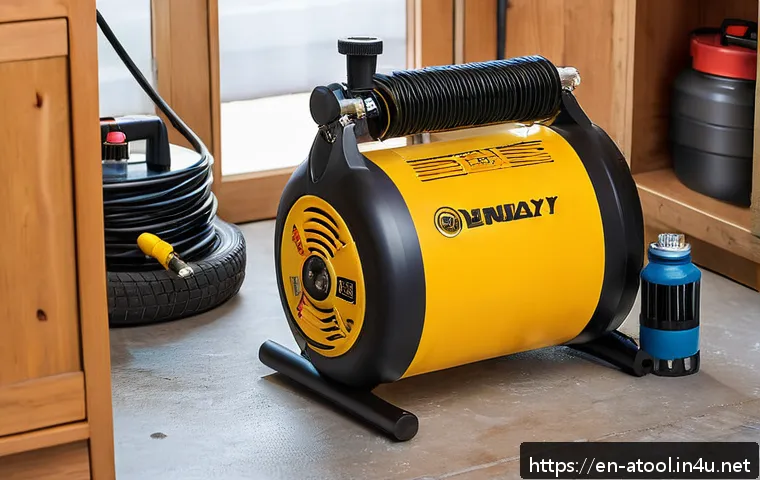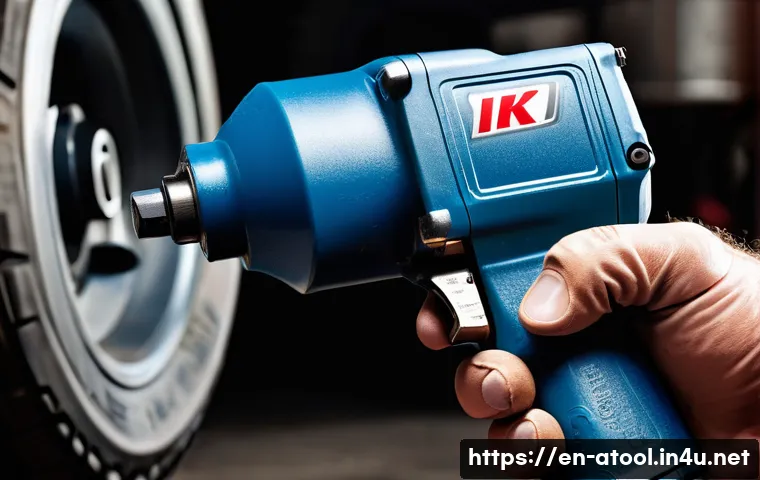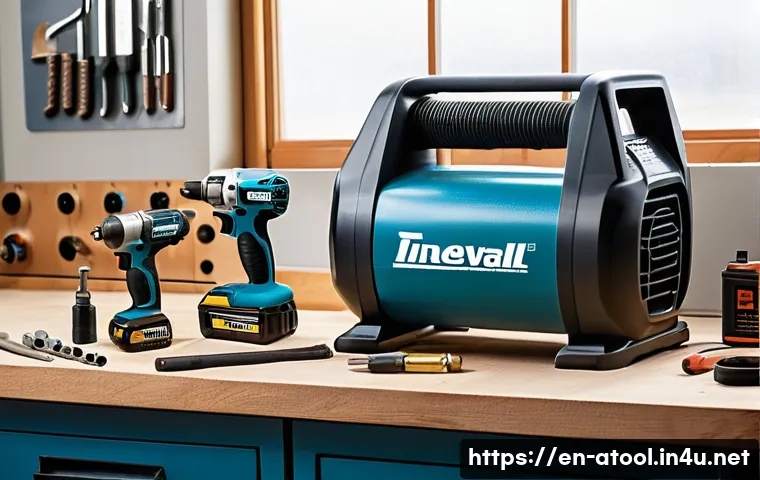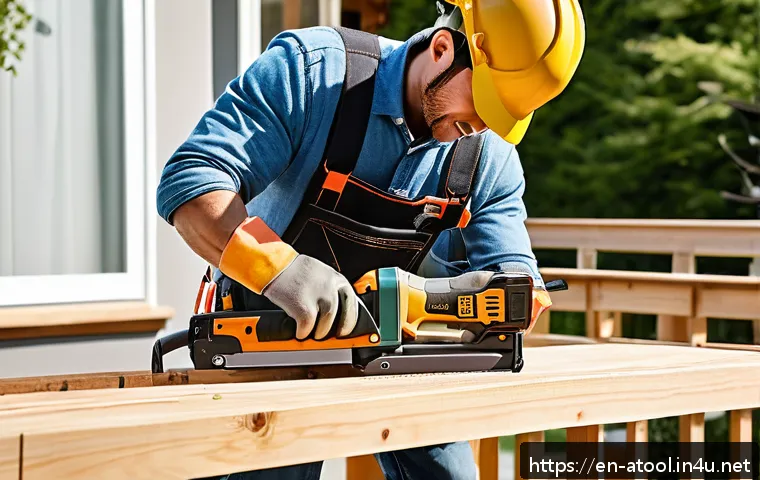
With the surge in DIY projects and professional construction alike, choosing the right nailer has become more crucial than ever. As technology advances, the debate between air-powered and electric nailers heats up, especially for those seeking the perfect balance of efficiency and precision.
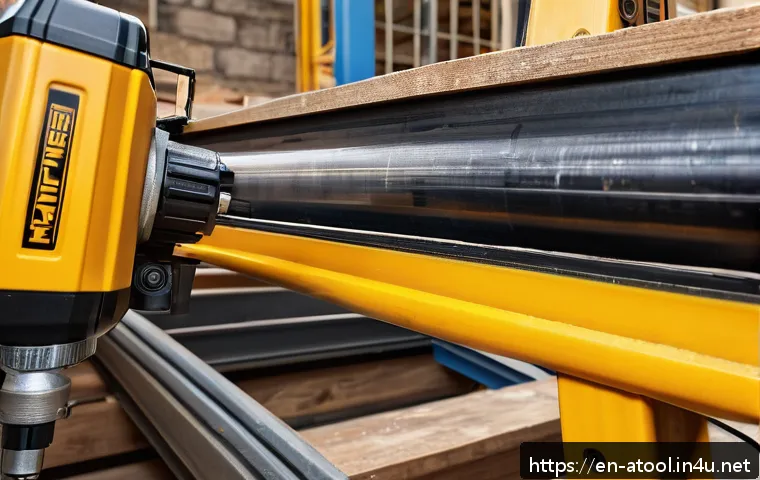
Whether you’re a seasoned contractor or a weekend warrior, understanding the strengths and limitations of each tool can save you time and frustration.
In today’s post, we’ll dive into the latest trends and innovations that set these nailers apart, helping you make an informed decision for your next project.
Stick around, because finding the ultimate tool could transform the way you work.
Power Source and Mobility: Navigating Your Work Environment
Understanding Energy Requirements and Accessibility
When working on a construction site or a home project, the availability of power sources can heavily influence your choice of nailer. Pneumatic models rely on a constant supply of compressed air, usually delivered through an air compressor.
This setup can be a bit cumbersome but offers consistent power for heavy-duty tasks. On the other hand, electric nailers, especially cordless ones, offer unmatched portability, freeing you from being tethered to a compressor or power outlet.
I’ve found that in tight or remote spaces, cordless electric nailers truly shine, letting me move swiftly without worrying about tangled hoses or finding an outlet.
Impact on Project Scale and Duration
If you’re tackling a large-scale project, an air-powered nailer paired with a robust compressor can keep the pace steady for hours. But this comes with the trade-off of hauling extra equipment and the noise factor.
In contrast, electric nailers tend to be quieter and more convenient for smaller to mid-sized jobs. Personally, for weekend deck building or furniture assembly, I prefer the ease of electric tools—they reduce setup time and keep the workspace less chaotic.
Maintenance and Upkeep Considerations
Air-powered nailers require regular maintenance to keep the compressor and the nailer itself in good shape. Moisture buildup in the air lines and compressor oil levels are common maintenance points that can affect performance.
Electric nailers, while not maintenance-free, generally demand less routine care, mostly involving battery upkeep and occasional cleaning. From my experience, the lower maintenance burden of electric models is a big plus when juggling multiple projects.
Precision and Power: Matching Your Nailing Needs
Adjustability and Control for Delicate Work
Precision is key when working on trim, cabinetry, or detailed woodworking. Pneumatic nailers often provide stronger driving power, which can be a double-edged sword if you’re not careful, as it might split delicate materials.
Electric nailers typically offer adjustable depth settings and softer impact, making them better suited for fine work where control matters. In projects requiring finesse, I’ve noticed that electric nailers reduce the risk of damaging the wood surface, which saves time on repairs and touch-ups.
Handling Tough Materials and Heavy Tasks
For framing, roofing, or subflooring, power and rapid firing rate are crucial. Air-powered nailers excel here, delivering consistent force with minimal recoil.
This means fewer jams and less fatigue during prolonged use. While some high-end electric nailers have improved power output, they may still lag behind pneumatic options when it comes to sheer force.
When I’ve worked on framing, the reliability of an air-powered nailer makes a noticeable difference in speed and effort.
Noise Levels and User Comfort
Nailers can be loud, but pneumatic models are generally noisier due to the compressor and the tool’s firing mechanism. Electric nailers tend to run quieter, which can be a blessing in residential areas or indoor jobs where noise restrictions apply.
Comfort also includes weight and vibration; electric nailers often weigh less and produce less vibration, which can reduce hand fatigue. Personally, I appreciate how quieter electric tools make long days more bearable, especially when working indoors or in noise-sensitive environments.
Cost and Long-Term Value: Budgeting Smartly for Your Tool
Upfront Investment and Accessory Expenses
The initial cost of a pneumatic nailer plus a quality air compressor can be quite high. This setup also demands additional accessories like hoses, fittings, and maintenance tools.
Electric nailers, while sometimes pricier per unit, eliminate many of these extras, which can make them more budget-friendly upfront, especially for casual users.
When I first bought my nailer, I weighed the cost of an air compressor and decided on an electric model because I wasn’t ready to invest heavily in extra gear.
Operational Costs Over Time
Electric nailers run on batteries or electricity, which usually means minimal ongoing costs apart from replacement batteries. Pneumatic systems incur electricity costs for running compressors and potential repairs over time.
Also, compressors can consume significant energy during operation, which adds up. From what I’ve tracked in my projects, the electric nailer’s operational costs are easier to predict and manage, especially when battery lifespan is optimized.
Resale Value and Durability
Durability is a mixed bag. Pneumatic nailers often last longer with proper maintenance, thanks to their robust mechanical design. Electric nailers have more electronic components, which might wear out or become obsolete faster.
However, newer models are increasingly built with durable materials and modular parts that can be replaced or upgraded. From resale experience, pneumatic tools generally hold value well among professionals, but electric models are catching up as technology advances.
Safety Features and Ease of Use: Prioritizing Your Wellbeing
Trigger Mechanisms and Safety Locks
Both nailer types come with safety features designed to prevent accidental firing. Pneumatic nailers often include sequential triggers that require the nose to be pressed before pulling the trigger, reducing mishaps.
Electric nailers also incorporate safety locks and sometimes electronic sensors to prevent accidental shots. I’ve always felt more confident using nailers with clear safety mechanisms, especially when working in busy or cramped environments.
Weight and Ergonomics for Extended Use
Ergonomics can make or break your experience, especially during lengthy tasks. Electric nailers often weigh less and have more balanced designs, which reduce wrist strain.
Pneumatic nailers can be heavier, and the attached hose can sometimes hinder movement, leading to fatigue faster. I remember during a full-day job, switching to a lighter electric model made a noticeable difference in my comfort and productivity.
Handling Jam and Misfire Situations
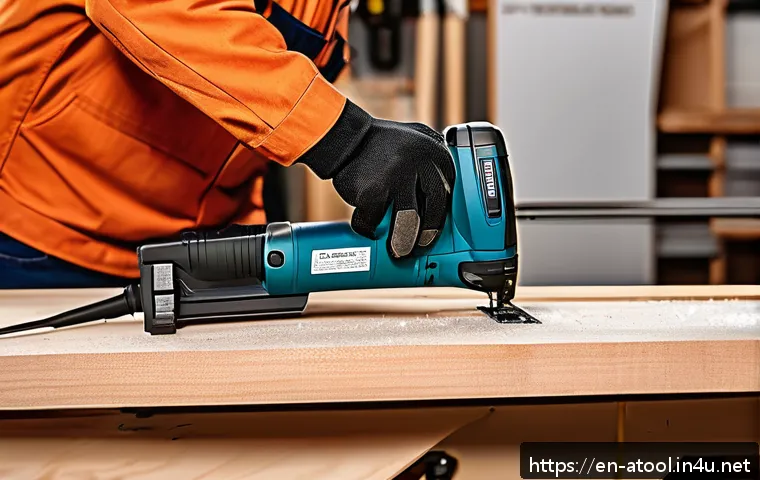
Jamming is inevitable at times, but how easily you can clear it matters. Pneumatic nailers usually have simple mechanical jam release systems, but they can be tricky to access due to the hose setup.
Electric nailers often feature quick-release mechanisms or tool-free jam clearing, which I find saves precious minutes on the job. Knowing your tool’s jam management can reduce downtime and frustration.
Technological Innovations Shaping the Market
Battery Improvements and Runtime Enhancements
Lithium-ion battery technology has significantly extended the runtime and power consistency of electric nailers. Some models now offer rapid charging and interchangeable battery packs compatible with other tools, making them ideal for multitasking.
I’ve been impressed by how a fully charged battery can now last through multiple medium-sized projects without dropping power, which wasn’t always the case with earlier versions.
Smart Features and Connectivity
Some modern nailers come equipped with smart features like digital depth adjustment, shot counters, and Bluetooth connectivity for maintenance alerts or firmware updates.
These innovations add a layer of precision and convenience that was unimaginable a few years ago. When I tested a smart electric nailer, the ability to track usage and adjust settings digitally helped me fine-tune my work and plan maintenance proactively.
Eco-Friendly Designs and Noise Reduction
As environmental concerns grow, manufacturers are focusing on reducing emissions and noise pollution. Electric nailers produce zero direct emissions and significantly less noise compared to pneumatic systems, which rely on noisy compressors.
This shift toward greener, quieter tools aligns with the needs of urban construction sites and eco-conscious users. From my perspective, using quieter electric nailers has made a positive difference in neighborhood projects and indoor renovations.
Choosing Based on Project Type and Skill Level
Matching Tools to Job Complexity
For complex projects requiring both precision and power, sometimes a combination of nailer types is the best approach. Air-powered nailers handle structural framing well, while electric models excel at finishing touches and trim work.
I often switch between tools depending on the phase of my project, ensuring efficiency without sacrificing quality.
Considering User Experience and Training
Beginners may find electric nailers more approachable due to their simplicity, lighter weight, and lower noise levels. Pneumatic nailers, while powerful, have a steeper learning curve, especially when managing compressors and air lines.
When I trained a few friends new to woodworking, they felt more comfortable starting with electric models before transitioning to pneumatic ones for larger projects.
Adaptability to Work Conditions
Outdoor projects exposed to weather conditions might favor pneumatic nailers since they’re less susceptible to moisture-related electronic failures. Conversely, indoor or light-duty tasks often benefit from the convenience of electric nailers.
I’ve noticed that weather can quickly impact electric tools if not properly protected, so choosing the right tool for your environment is crucial.
Comparison of Key Features Between Air-Powered and Electric Nailers
| Feature | Air-Powered Nailer | Electric Nailer |
|---|---|---|
| Power Source | Compressed air via compressor | Battery or corded electricity |
| Mobility | Limited by hose and compressor | Highly portable, especially cordless |
| Power Output | Consistent high power for heavy tasks | Good for light to medium tasks; improving for heavy use |
| Noise Level | Loud due to compressor and firing | Quieter operation |
| Maintenance | Requires compressor upkeep and moisture control | Battery maintenance and cleaning |
| Weight and Ergonomics | Heavier, hose can restrict movement | Lighter, more balanced design |
| Safety Features | Sequential triggers and mechanical locks | Electronic safety locks and sensors |
| Cost | Higher initial cost including compressor | Moderate initial cost; no compressor needed |
In Conclusion
Choosing the right nailer depends heavily on your specific project needs, work environment, and personal preferences. Both air-powered and electric nailers have their unique strengths, whether it’s power, portability, or ease of use. Understanding these differences helps you work smarter, not harder. Ultimately, selecting the best tool will boost your efficiency and enjoyment on every job.
Helpful Tips to Remember
1. Always assess your project scale before choosing a nailer; large projects often benefit from pneumatic power, while smaller tasks suit electric models better.
2. Consider your work environment—cordless electric nailers offer unmatched mobility in tight or remote spaces.
3. Regular maintenance is key; pneumatic tools need compressor care, whereas electric nailers require battery upkeep.
4. Safety first: choose tools with reliable trigger locks and jam-clearing features to minimize accidents and downtime.
5. Keep an eye on technological advancements like battery life improvements and smart features that can enhance your workflow.
Key Takeaways
Selecting between air-powered and electric nailers requires balancing power needs, portability, and maintenance demands. Pneumatic nailers deliver consistent high power ideal for heavy-duty tasks but come with higher noise and maintenance. Electric nailers shine in convenience, quieter operation, and easier handling, especially for precision work and indoor use. Factoring in cost, safety, and project type ensures you pick a tool that not only fits your current needs but also supports your long-term productivity and comfort.
Frequently Asked Questions (FAQ) 📖
Q: Which is better for heavy-duty construction projects, air-powered or electric nailers?
A: For heavy-duty construction, air-powered nailers generally outperform electric ones. They deliver more consistent power, allowing you to drive nails deeper and faster into tough materials like hardwood and framing lumber.
From my own experience on large-scale projects, air nailers handle prolonged use without overheating and maintain steady performance. However, they require an air compressor, which adds to the setup time and bulk.
If you prioritize raw power and don’t mind the extra equipment, air-powered nailers are often the go-to choice for professionals.
Q: Are electric nailers suitable for DIY enthusiasts and smaller projects?
A: Absolutely. Electric nailers have come a long way, offering impressive portability and ease of use. For DIYers or weekend warriors, they’re a fantastic option since they don’t need compressors or hoses, making setup and cleanup much simpler.
I found electric models especially handy for tasks like trim work, cabinetry, or light framing around the house. While they might not match the sheer force of pneumatic nailers, their convenience and quieter operation make them ideal for smaller-scale projects where mobility and quick setup matter most.
Q: What should I consider when choosing between air-powered and electric nailers for precision work?
A: Precision work demands control and consistency, so your choice depends on the specific task and environment. Air-powered nailers offer excellent accuracy with adjustable depth settings, making them reliable for trim and finish carpentry.
That said, electric nailers have improved in precision, with some models featuring brushless motors and smart depth control that rival pneumatics. From my hands-on use, if you’re working indoors or in tight spaces where noise and portability are concerns, an electric nailer might give you better maneuverability without sacrificing too much accuracy.
Ultimately, testing both tools on your typical materials can help you decide which fits your workflow best.